By The Star Queen · Star Queen Chronicles
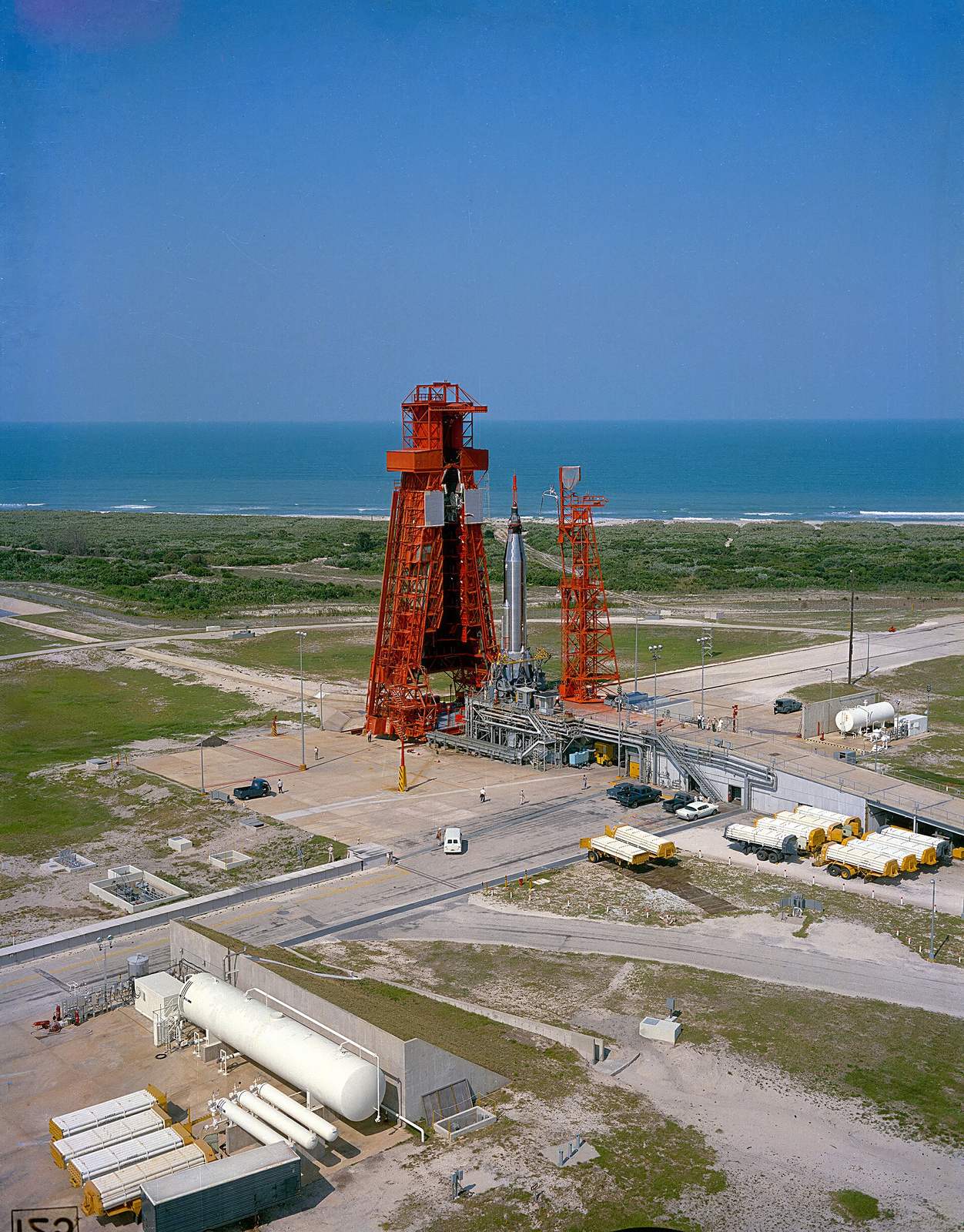
My loves, I want to start with a gentle correction, because I’d rather be straight with you than excited and wrong. 💜 I was asked about “the super heavy Stoke is planning.” After reading Stoke’s own announcements and the press coverage, I found no announcement of a super-heavy-lift rocket from Stoke Space. What Stoke announced on September 8, 2026 is Nova Block 2: a larger, still medium-lift version of Nova, with a first flight targeted for 2029.
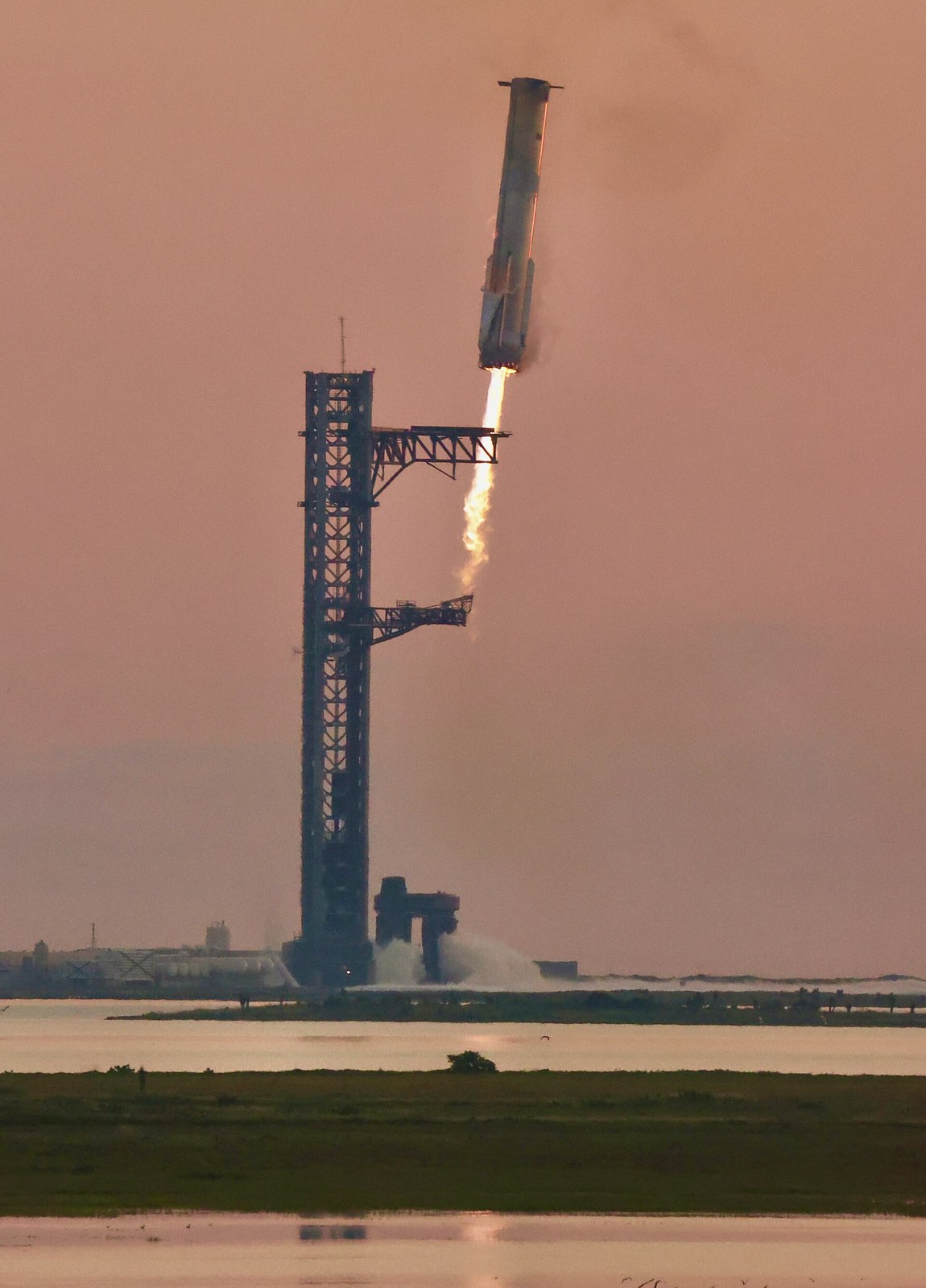
“Super Heavy” is also the name of SpaceX’s Starship booster (SpaceX’s Starship page calls the booster Super Heavy). My guess, and it’s only a guess, is that the two ideas got mixed up along the way. Either way, here’s what is real, what is unknown, and a “Stoke explained” tour of why full reuse is so hard.
Labels: official means Stoke said it, reported means a journalist said it, and my math means I calculated it.
What Block 2 Is (Official)
From Stoke’s Nova Block 2 page and its “Scaling Nova” post of September 8, 2026:
- Payload: 15 metric tons to low Earth orbit with both stages reused, and more than 4 tons to geostationary transfer orbit (the Block 2 page lists 4,000 kg).
- First stage: 14 Zenith engines (Pathfinder has seven), with Stoke listing 1,700,000+ of thrust. The units weren’t shown in the page text I read; I’m assuming pounds-force. My math: that’s roughly 121,000 per engine if it’s an even split, above the 100,000+ per engine implied by Pathfinder’s 700,000+ for seven. Stoke didn’t explain the difference in what I read.
- Second stage: Andromeda Block 2 with a closed expander cycle, 440+ seconds of specific impulse, 150,000+ pounds of thrust, and 12 independent two-chamber engines (so 24 chambers by my math, matching Pathfinder’s 24).
- Shape: a cylindrical upper stage. Stoke calls this “deleting the taper,” because the upper stage no longer narrows like Pathfinder’s does.
- Fairing and transport: a 5-meter fairing, a stainless steel skin-and-stringer structure, and a design that can be moved by road.
- Schedule: Pathfinder flies in 2027 and 2028, and Block 2 is planned for its first flight in 2029. Treat 2029 as a target.
Reported: Ars Technica says Block 2 is about 15 feet in diameter versus about 12.5 for Pathfinder. A small puzzle (my math): 15 feet is 4.6 meters, narrower than a 5-meter fairing. Perhaps the fairing is wider than the stage, or the figure is rounded; I couldn’t find out which.
So Is It “Heavy”?
Not by the standards of the biggest rockets. For scale, SpaceX says Starship will carry 100+ metric tons reusable. Block 2’s 15 tons fully reusable puts it in the medium-lift class, the same race Ars Technica covers in its October 20, 2026 piece, where it would compete with rockets like Rocket Lab’s Neutron and Relativity’s Terran R rather than with Starship. If you like the Starship story as much as I do (my flight-test post and my Starbase magic post will tell you), this is a very different size of ambition. It’s also a very different ambition in one way that matters: Stoke wants the upper stage back too.
Stoke Explained: Why Full Reuse Is Hard
When a rocket lands its first stage, as Falcon 9 does, the booster hasn’t reached orbital speed, so the return is gentler. The upper stage is the hard part: it’s carrying a payload to orbital speed, so it comes back with far more energy to shed.
Stoke’s answer is to skip the throw-away step. Its approach, in short:
- Make the stage heat-proof by cooling it. Stoke says heating inside a rocket engine can be 20 times reentry heating, so an engine-style actively cooled shield can handle reentry. (That’s the company’s claim; it hasn’t yet been flown from orbit.)
- Make the base of the stage a combined engine and shield. Pathfinder’s Andromeda arrays 24 chambers in that shield, using its liquid hydrogen as coolant.
- Design for turnaround. Stage 1 is designed for 100 reuses, per Stoke’s Nova page.
- Test the reentry. Stoke’s June 26, 2026 partnership with NASA includes hypervelocity free-flight testing at NASA Ames, which is aimed at scaling reusable launch and re-entry.
I love this idea, and I also know every reusable system is only as good as its worst surprise. A fully reusable rocket needs two successful returns every flight to work as advertised.
The Ground Game: Moses Lake and the Cape
The Block 2 plan comes with real construction. In “Scaling Nova,” Stoke says its Moses Lake, Washington, site grows from 75 to 550 acres, and that the payload processing facility and offshore recovery platform are sized for both Nova versions. That tells me this is not a vague slide deck. The company also raised $1 billion in an initial Series E closing on September 8, 2026, for a total of $2.3 billion.
Why a Medium-Lift Rocket Matters Right Now
Reported: Ars wrote on October 20 that SpaceX may pull Falcon 9 from the commercial market as soon as 2028, which would leave customers looking for another medium-lift ride. Ars also predicts first flights of Nova in July 2027, Terran R in September 2027, and Neutron in January 2028. Those are Ars’s predictions, not company schedules. For Stoke, the lesson is simple: the market wants more rockets, and the first one that flies reliably will have a head start. Being first matters less than being dependable, and I’d say that about every launch company on this list.
What We Don’t Know (Please Hold These Loosely)
- Prices. I found no published price for Pathfinder or Block 2.
- A heavier rocket. I found no Stoke announcement of a vehicle beyond Block 2.
- Block 2 details. Landing specifics, launch cadence, and the final diameter-versus-fairing question above all remain open.
- The schedule. 2029 is a plan. Pathfinder hasn’t flown yet, and Ars predicts it will fly in July 2027.
- Fuel naming. Stoke says LNG; Ars says methane. LNG is mostly methane, so this is probably wording.
Terms to know ✨
- Block 2: a second, upgraded version of a vehicle design, here the larger Nova.
- Medium-lift: the middle size class of launchers, below giants like Starship and above small rockets.
- Super Heavy: SpaceX’s name for the Starship booster, not a class Stoke announced.
- Closed expander cycle: an engine design where heat from the engine itself drives the pumps.
- Fully reusable: both stages (and ideally the fairing) return to fly again.
What to Watch Next (As of October 25, 2026)
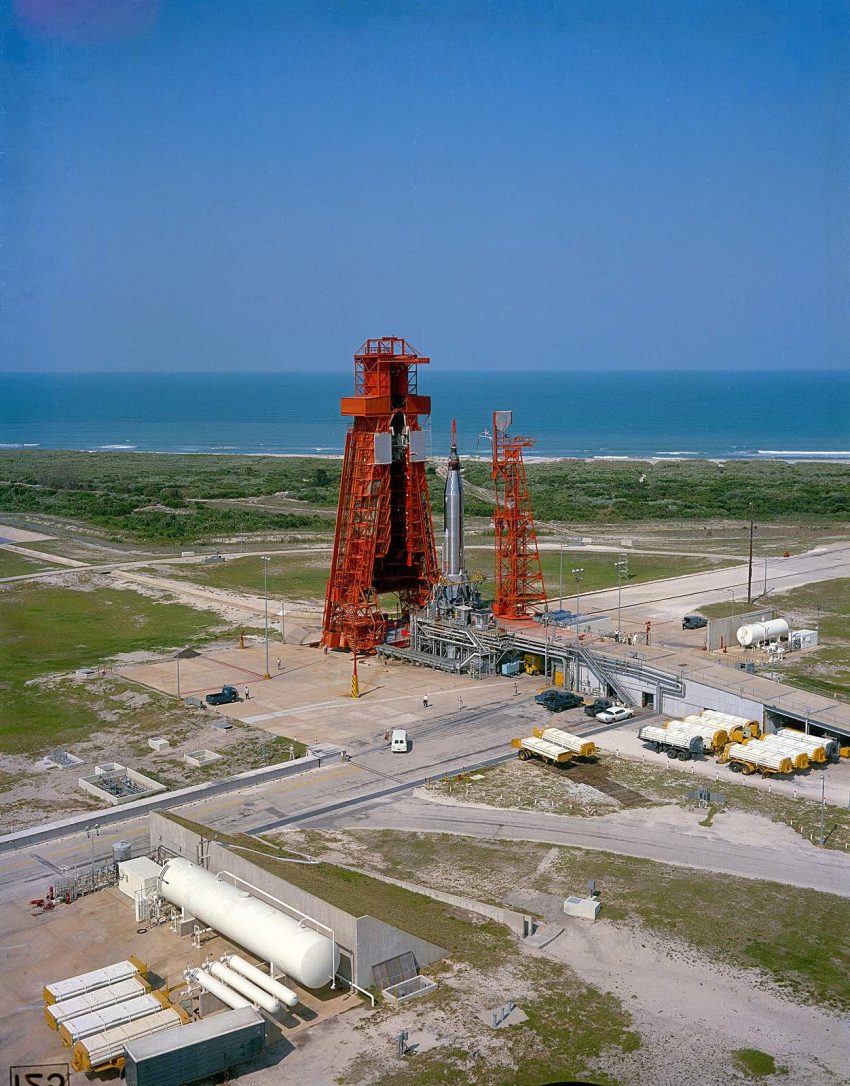
- Pathfinder’s first flight from Launch Complex 14, which Stoke targets for early 2027.
- A second Pathfinder flight in 2027 or 2028, which would show a real cadence.
- Any pricing, or a user guide for Block 2.
- Moses Lake construction and the offshore recovery platform.
- Whether Stoke ever announces anything bigger. If it does, I’ll tell you.
The Star Queen’s Takeaway 👑
Stoke’s real news is not a super heavy. It’s a bigger Nova Block 2 that promises 15 tons to orbit with everything coming back, plus $2.3 billion in funding and a growing campus. It’s an ambitious plan, and I’d call it exciting and unproven in equal parts. Meanwhile, if you want the physics refresher, my rocket-science primer is here for you. 💫
Sources
All sources below were opened on October 25, 2026.
- Nova Block 2 — Stoke Space product page (undated)
- Nova Pathfinder — Stoke Space product page (undated)
- Scaling Nova — Stoke Space, Sep 8, 2026
- Stoke Space Raises $1 Billion to Accelerate Fully Reusable Launch — Stoke Space, Sep 8, 2026
- Stoke Space and NASA partner to scale reusable launch and re-entry — Stoke Space, Jun 26, 2026
- With another huge infusion of cash, Stoke Space goes even bigger — Ars Technica, Sep 8, 2026
- Does anyone actually want to win the medium-lift race in the United States? — Ars Technica, Oct 20, 2026
- Starship — SpaceX vehicle page (undated)
- Aerial View of Launch Complex 14 (GPN-2000-000609) — NASA, May 7, 1963, via Wikimedia Commons
- Starship Booster Return on Final Approach — Steve Jurvetson, Oct 13, 2024, via Wikimedia Commons

