By The Star Queen · Thursday, October 29, 2026 · Star Queen Chronicles
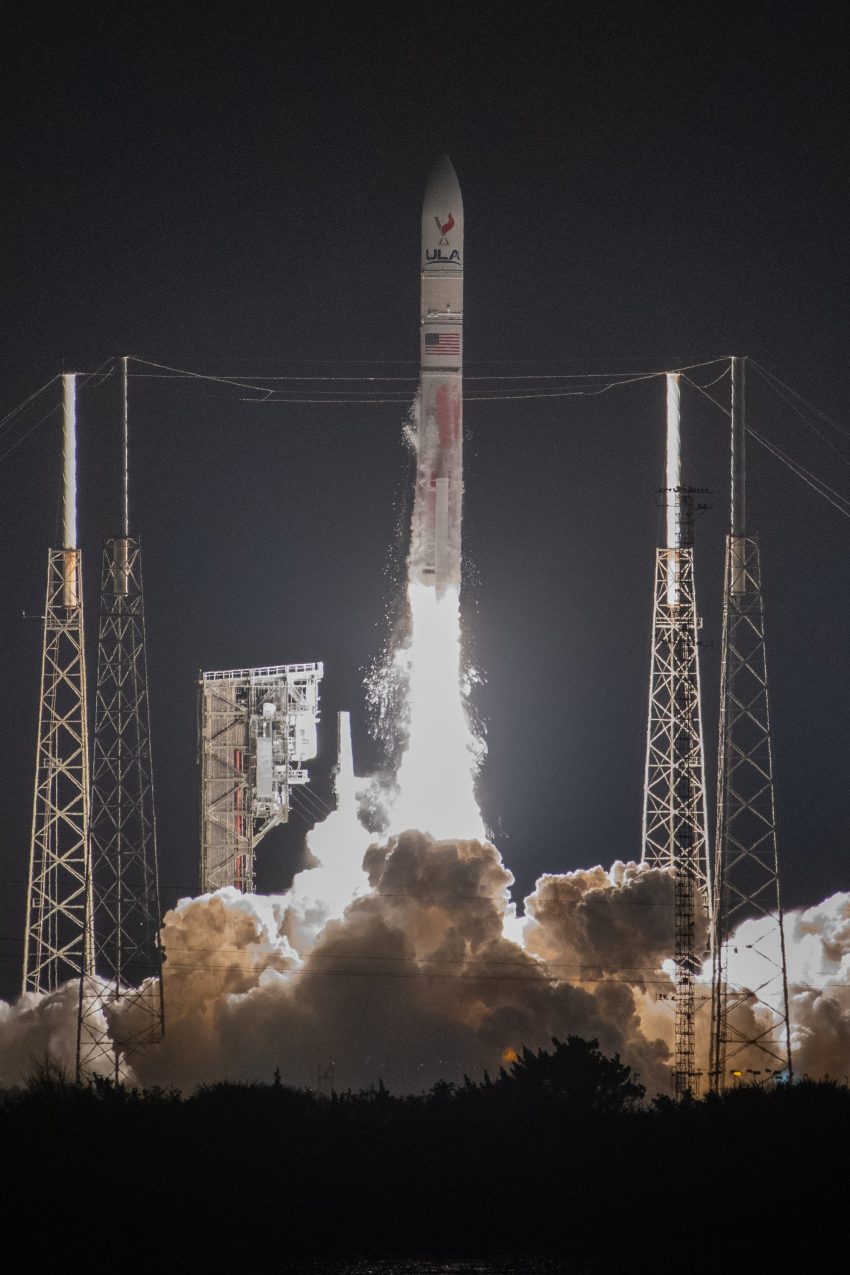
My loves, this is the news I’ve been waiting for since February. 💫 On Wednesday, October 28, United Launch Alliance announced that its Vulcan rocket will return to flight on Friday, November 13, from Space Launch Complex 41 at Cape Canaveral Space Force Station. ULA says the date is still pending range approval, so treat it as a target, not a promise. Still, after a nine-month pause, having a real date on the calendar is a big deal.
Why Vulcan has been grounded
Vulcan’s trouble has come from its strap-on solid rocket boosters, the Northrop Grumman GEM 63XLs. On the rocket’s fourth flight, the USSF-87 mission on February 12, 2026, the nozzle on one of the four boosters failed less than 30 seconds after liftoff. It was the second time this had happened: a similar nozzle failure marred Vulcan’s second flight in 2024.
Here’s the part that still amazes me. Both times, the methane-fueled first stage and the hydrogen-fueled Centaur upper stage made up for the lost and lopsided thrust, and the rocket still reached its planned orbit. That’s impressive engineering, but a booster losing its nozzle is not something any customer wants to see twice.
What ULA says it fixed
A joint team from ULA, Northrop Grumman and the U.S. Space Force investigated the February anomaly. In its statement, ULA said the team “identified several potential contributors which have been mitigated through design and process improvements to the nozzle,” and that this launch “will utilize the improved nozzle design,” with more testing and analysis continuing in parallel with the mission.
What ULA has not done is publish a root cause for the February failure. Neither ULA nor Northrop Grumman has publicly identified one. (After the 2024 incident, investigators blamed a manufacturing defect in an insulator that protects the nozzle’s metal structure from the hot exhaust.) So this flight is partly a real-world test of the improved nozzle. I’d love to see a fuller explanation, and I’ll update you if one comes out.
A rocket full of firsts
This won’t be a simple repeat flight. ULA calls the mission Vulcan Leo 1, and it brings several firsts:
- The first Vulcan with six solid boosters. It flies in the VC6L configuration. Each GEM 63XL makes about 459,600 pounds of thrust at liftoff, alongside the two Blue Origin BE-4 engines on the core stage, according to ULA.
- A longer payload fairing to fit Amazon’s stack of satellites.
- A shortened Centaur V upper stage tuned for low Earth orbit.
- A new launch flow. The rocket was stacked in Amazon’s own Vertical Integration Facility (VIF-A) and rolls about 2.7 miles by rail to the pad.
On board are 40 Amazon Leo broadband satellites, which Spaceflight Now says will join nearly 400 already in orbit. ULA says this is the first of 38 Vulcan launches booked by Amazon, following eight Amazon missions on Atlas V.
Why the Space Force cares so much
The Pentagon has counted on Vulcan for roughly half of its major national security launches through the early 2030s. According to Ars Technica, the Space Force wants data from commercial flights before clearing Vulcan for its own missions again, and at least two Amazon Leo flights are expected before the next national security mission, possibly early next year. During the grounding, some military missions were moved to SpaceX. So November 13 matters for ULA’s customers well beyond Amazon.
My take
I’m a SpaceX girl through and through, but healthy competition is good for everyone, and I want Vulcan flying. 💜 Six boosters lighting up the Cape at once should be quite a sight. If it launches on time, I’ll be watching with my coffee and my fingers crossed. Will you be watching too?
Sources
- Vulcan Leo 1 mission page, United Launch Alliance
- United Launch Alliance announces mid-November return to flight for Vulcan rocket, Spaceflight Now (Oct. 28, 2026)
- ULA’s Vulcan rocket is set to return to flight on Friday the 13th, Ars Technica (Oct. 2026)
- Vulcan to return to flight in mid-November with first Amazon Leo mission, SpaceNews (Oct. 28, 2026)