By The Star Queen
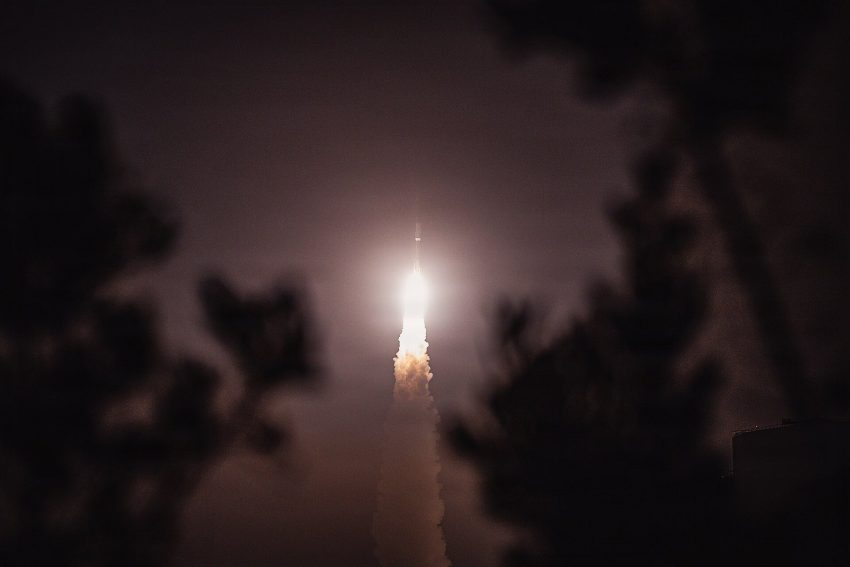
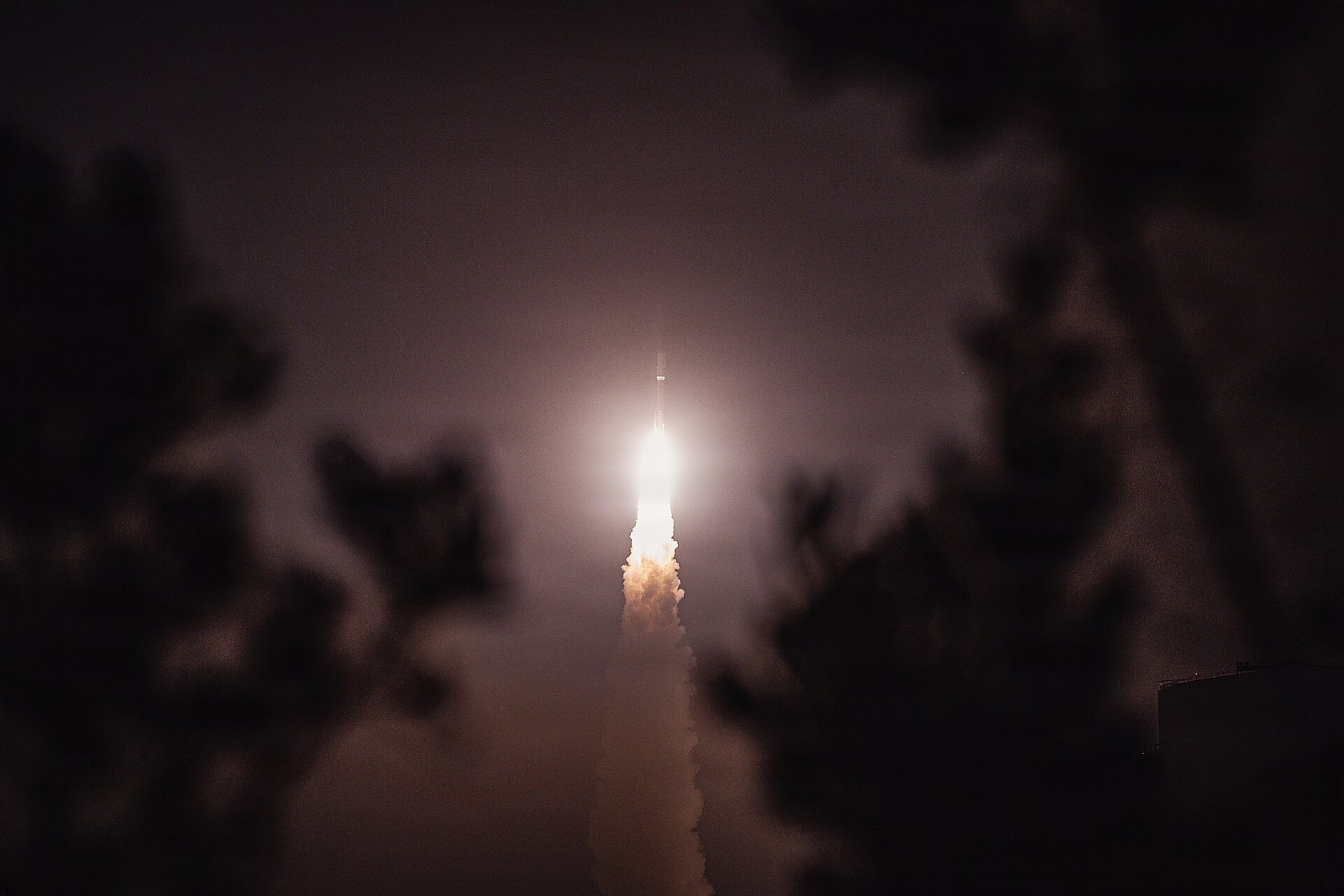
My loves, sometimes a rocket’s farewell happens quietly in the middle of the night. 🌙 At 12:30 a.m. EDT on July 2, 2026, an Atlas V climbed out of Cape Canaveral carrying 29 Amazon Leo satellites. Ars Technica reported it as the final Atlas V launch for Amazon and the last time an Atlas V will fly with a payload fairing (Ars Technica, Jul 7, 2026). That matters a lot for ULA, because the Atlas V has been the company’s working rocket while Vulcan sits grounded. Here’s what’s left, what it’s reserved for, and why I think this “ending” is really a pressure point. (Our look at Vulcan’s grounding is a companion piece; for the physics of getting off the ground, see Basic Rocket Science.)
A Quick Look at the Atlas V
The Atlas V debuted in 2002, and the July 2 launch was its 110th flight (Ars Technica, Jul 7, 2026). Ars calls its career “near-flawless.” ULA’s Atlas V page describes the rocket’s RD-180 main engine as delivering “more than 860,000 pounds of thrust at liftoff” and notes the engine is made by NPO Energomash, a Russian company (ULA, Atlas V page). Its upper stage is Centaur, with RL10 engines. ULA lists the strongest Atlas V, the 551, at about 18,850 kg to low Earth orbit and 8,900 kg to geosynchronous transfer orbit (ULA, Atlas V page), well below Vulcan’s biggest configuration (more in my Vulcan explainer).
The Amazon Chapter
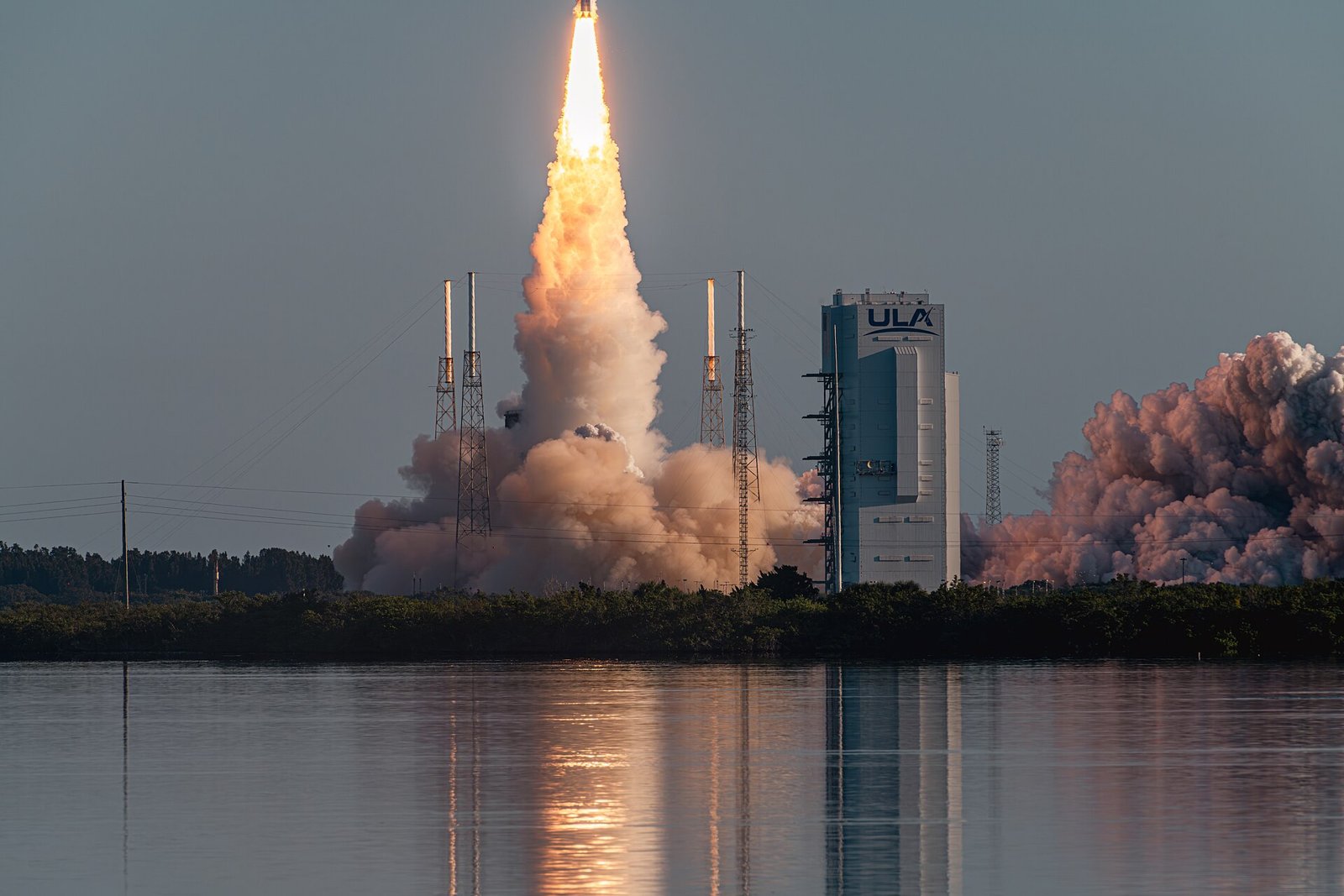
Amazon bought nine Atlas V launches in 2021, scooping up all of ULA’s unsold Atlas Vs as the program wound down in favor of Vulcan. One flew two prototype satellites in 2023, and eight launched operational Amazon Leo satellites (Ars Technica, Jul 7, 2026). Amazon said Atlas V launched 224 satellites with a 100 percent success rate across those eight operational missions (same article). My arithmetic: that’s an average of 28 per launch. The final one carried 29, was the ninth Atlas V for Amazon and the fourth Atlas V launch in less than three months, and used the five-booster 551 configuration (ULA, Amazon Leo 8 mission page; Ars Technica, Jul 7, 2026).
Across all providers, Amazon has bought more than 100 launches and completed 15, which have deployed 398 satellites (including two demonstration satellites). The first-generation constellation is planned at 3,232, and Amazon said initial service is expected later this year (Ars Technica, Jul 7, 2026).
What’s Left: Six Atlas Vs, All for Starliner
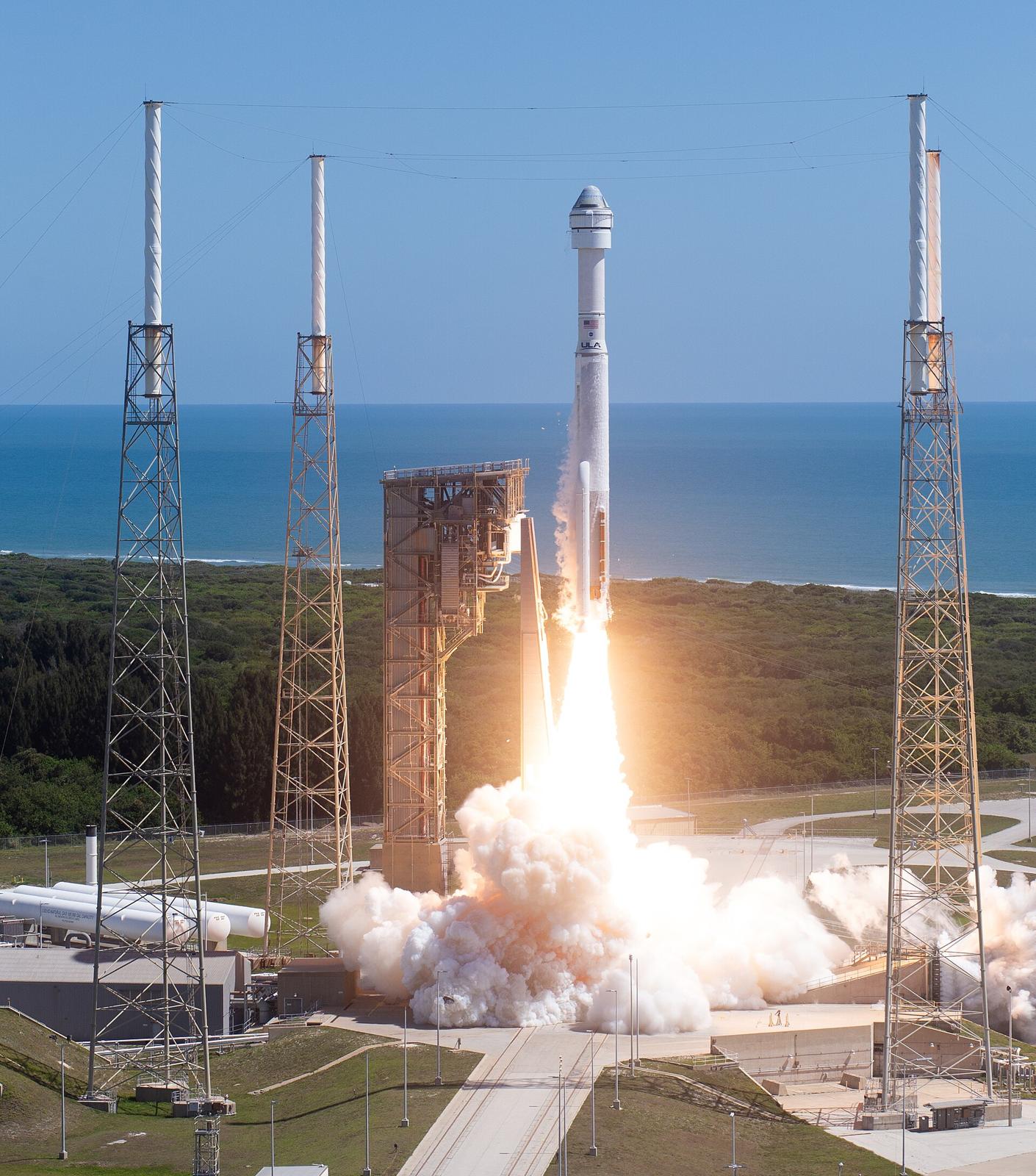
Ars reported that six Atlas Vs remain in ULA’s inventory, reserved for Boeing’s Starliner capsule. Last year NASA cut the number of guaranteed Starliner missions from six to four (Ars Technica, Jul 7, 2026). Because Starliner flies in an exposed configuration, the remaining rockets fly without a fairing. ULA told Ars that Vulcan’s fairing is “not interchangeable” with Atlas’s fairing, so leftover Atlas Vs can’t easily be retasked. Those six also have dual-engine upper stages optimized for low Earth orbit, and ULA has enough stored boosters to give each two strap-on solids, which limits their lift (same article).
Then came the news on September 28, 2026. NASA said it intends to exercise options for a fifth and sixth Starliner flight, and “will work with Boeing and United Launch Alliance to certify the Vulcan rocket for use after the Atlas V rocket’s final flight.” An uncrewed Starliner-1 “has the potential to fly in December of this year or January 2027,” with astronauts returning on Starliner-2 “by 2028” (NASA, Sep 28, 2026). Ars had reported the plan earlier from multiple sources and said six Atlas Vs remain, one for the uncrewed flight and five for crewed missions (Ars Technica, Sep 17, 2026). Ars also speculated that any competition for a new launcher would come down to Vulcan or New Glenn. NASA’s release named only Vulcan, so I’m treating the Ars comment as speculation.
Terms to know ✨
- Atlas V: ULA’s long-running rocket, first flown in 2002 and being retired as Vulcan takes over.
- RD-180: the kerosene-and-liquid-oxygen main engine on the Atlas V, made by Russia’s NPO Energomash.
- Strap-on solid: extra boosters attached to the side of a rocket for more thrust at liftoff.
- Payload fairing: the nose cover that protects a satellite on the way up. Starliner flies without one.
- Starliner: Boeing’s crew capsule for NASA, with a rocky test record.
- Certification: NASA’s formal approval that a rocket is safe enough to carry its astronauts.
What It Means for ULA
Here is my take, labeled as such. The facts are sourced above, the connections are mine.
- The bridge has ended. Atlas V flights for Amazon were what kept ULA launching this year. Ars wrote that ULA’s next launch would be the return to flight of Vulcan (Ars Technica, Jul 7, 2026). Of the Atlas Vs left, the earliest use is the uncrewed Starliner-1, which NASA says could be December or January.
- Vulcan now carries everything. Amazon has reserved 38 Vulcan launches, and Ars calls Vulcan “supposed to be the workhorse for Amazon Leo.” Amazon’s Rajeev Badyal said in October that two integration facilities each have a Vulcan stacked and getting ready (Ars Technica, Oct 9, 2026). NASA’s crew plans also depend on Vulcan getting certified. So one rocket’s return carries a lot of weight.
- A shared engine problem. Ars noted that Vulcan and New Glenn use the same BE-4 main engine, and New Glenn’s May explosion “clouds ULA’s return-to-flight plans.” Spaceflight Now reported in August that Blue Origin will modify Vulcan’s BE-4s (see my Vulcan status post).
- Atlas V’s tail is long but narrow. Ars says the final Atlas V flight is “still several years off,” but all six remaining rockets are tied to Starliner, a program Ars says has had chronic delays.
What to Watch Next (As of October 25, 2026)
- Vulcan’s return flight. ULA hasn’t announced an official date I can find. A tracker lists the Amazon Leo mission no earlier than November 29 at 7:00 p.m. ET (Nov 30, 00:00 UTC) and calls it approximate (Space Launch Live).
- Starliner-1. NASA’s window is December 2026 or January 2027. Watch for a firm date and a launch-readiness update.
- Vulcan’s crew certification path. NASA said it will work with Boeing and ULA but gave no timeline in what I read.
- Amazon Leo initial service. Amazon said “later this year” in July.
- Unused Atlas Vs. Whether Boeing flies all six.
The Star Queen’s Takeaway 👑
I’ll miss the Atlas V. It’s flown for more than twenty years and ended its commercial career by helping Amazon build a constellation. But a rocket’s retirement is also a test of the rocket that replaces it. Atlas V gave ULA time, and now Vulcan has to use it. 🚀
Sources
- Ars Technica, “After a stellar career, ULA’s Atlas V rocket’s last act is waiting on Starliner” (Jul 7, 2026)
- Ars Technica, NASA to order more Starliner missions (Sep 17, 2026)
- Ars Technica, Rocket Report 9.14 (Oct 9, 2026)
- NASA, Starliner update (Sep 28, 2026)
- ULA: Atlas V page (undated, accessed Oct 25, 2026); Amazon Leo 8 mission page (launch Jul 2, 2026)
- Spaceflight Now, Blue Origin engine issue (Aug 6, 2026)
- Space Launch Live, Vulcan Amazon Leo LV-01 (page updated Oct 24, 2026)