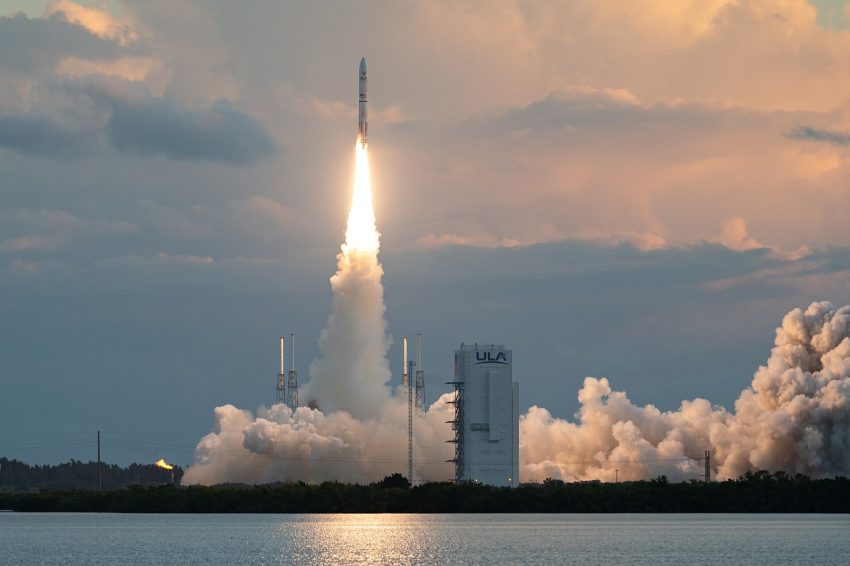
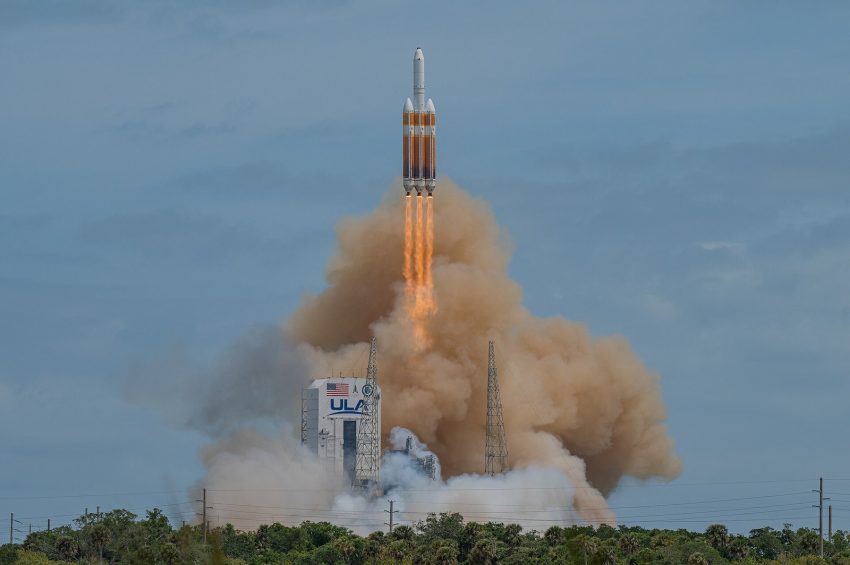
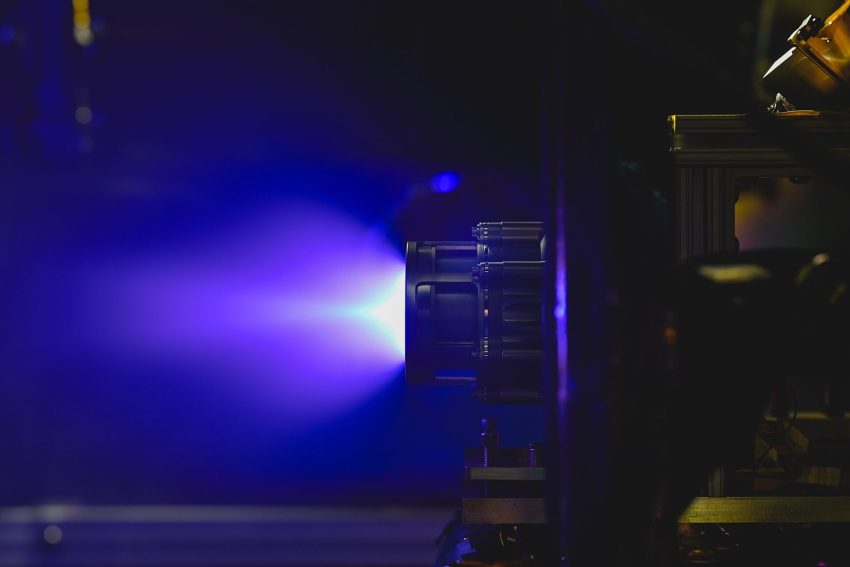
Kerosene, methane, hydrogen, hypergolics and solids get the headlines. This post covers everything else: hybrid motors, monopropellants (hydrazine, HAN and ADN “green” blends), cold gas, the four oxidizers behind it all (LOX, NTO, N2O, hydrogen peroxide), and a side-by-side matrix of every propellant, plus a peek at nuclear and electric ideas for the future.
Tag: Liquid oxygen
RP-1 Explained: Why Rockets Burn Special Kerosene (and Why It Is Not Just Jet Fuel) ๐ฅ
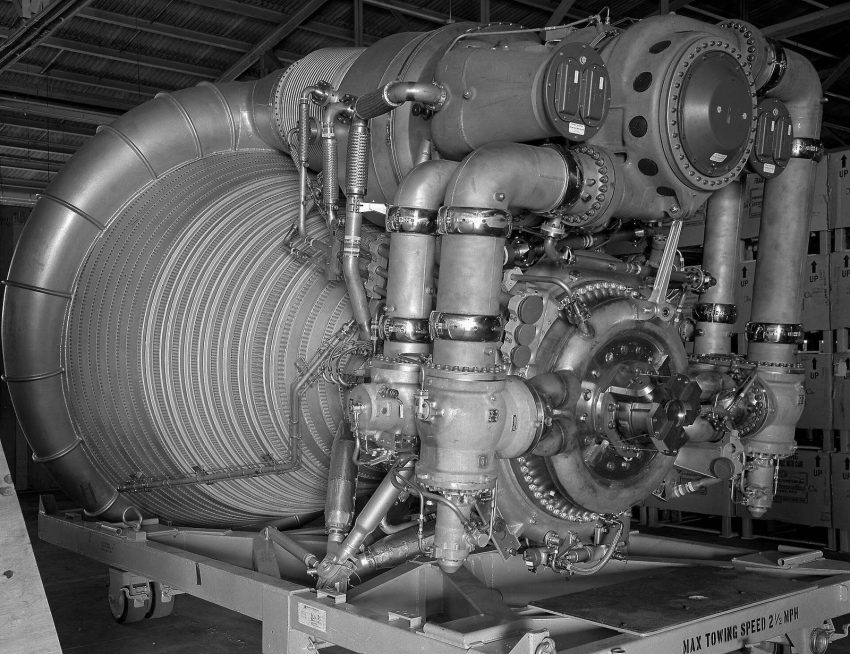
RP-1 is kerosene refined to rocket-grade, and it powered Saturn V’s F-1, Atlas, Soyuz and Falcon 9. Here is the chemistry, why plain kerosene cooks the inside of an engine, how kerolox compares with methane and hydrogen, and which numbers are solid and which are guesses.
Liquid Methane Rocket Fuel Explained: Why Everyone Is Switching to Methalox ๐
Raptor, BE-4, Zenith and Aeon all burn methane. Here is why liquid methane became the rocket fuel of the 2020s: the chemistry, the density-versus-efficiency tradeoff against kerosene and hydrogen, the cleaner burn that helps reuse, and the Mars factory idea behind the Sabatier reaction.
Liquid Hydrogen Rocket Fuel Explained: The Coldest, Lightest, Most Efficient (and Trickiest) Fuel ๐ง
Liquid hydrogen gives the best specific impulse of any common chemical rocket fuel, which is why Centaur, the Space Shuttle’s main engines, Ariane and New Glenn’s upper stage all use it. Here is the chemistry, the density penalty, the boil-off and leak problems, and why upper stages love it anyway.