By The Star Queen · Star Queen Chronicles
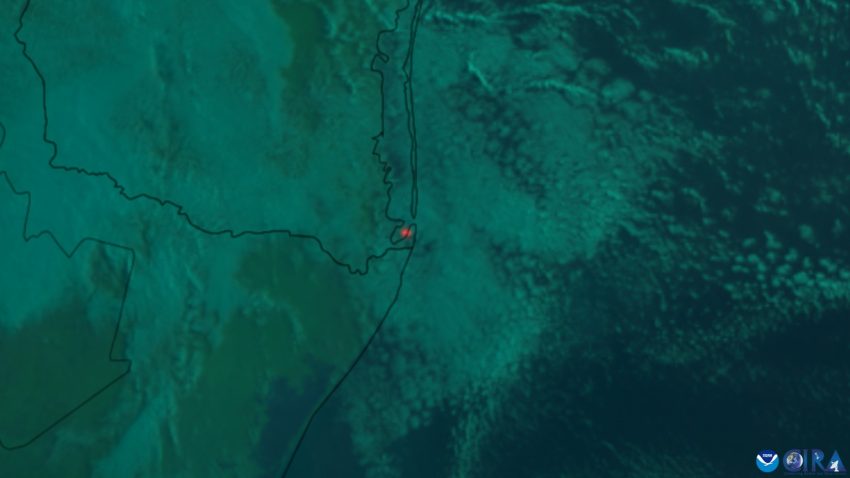
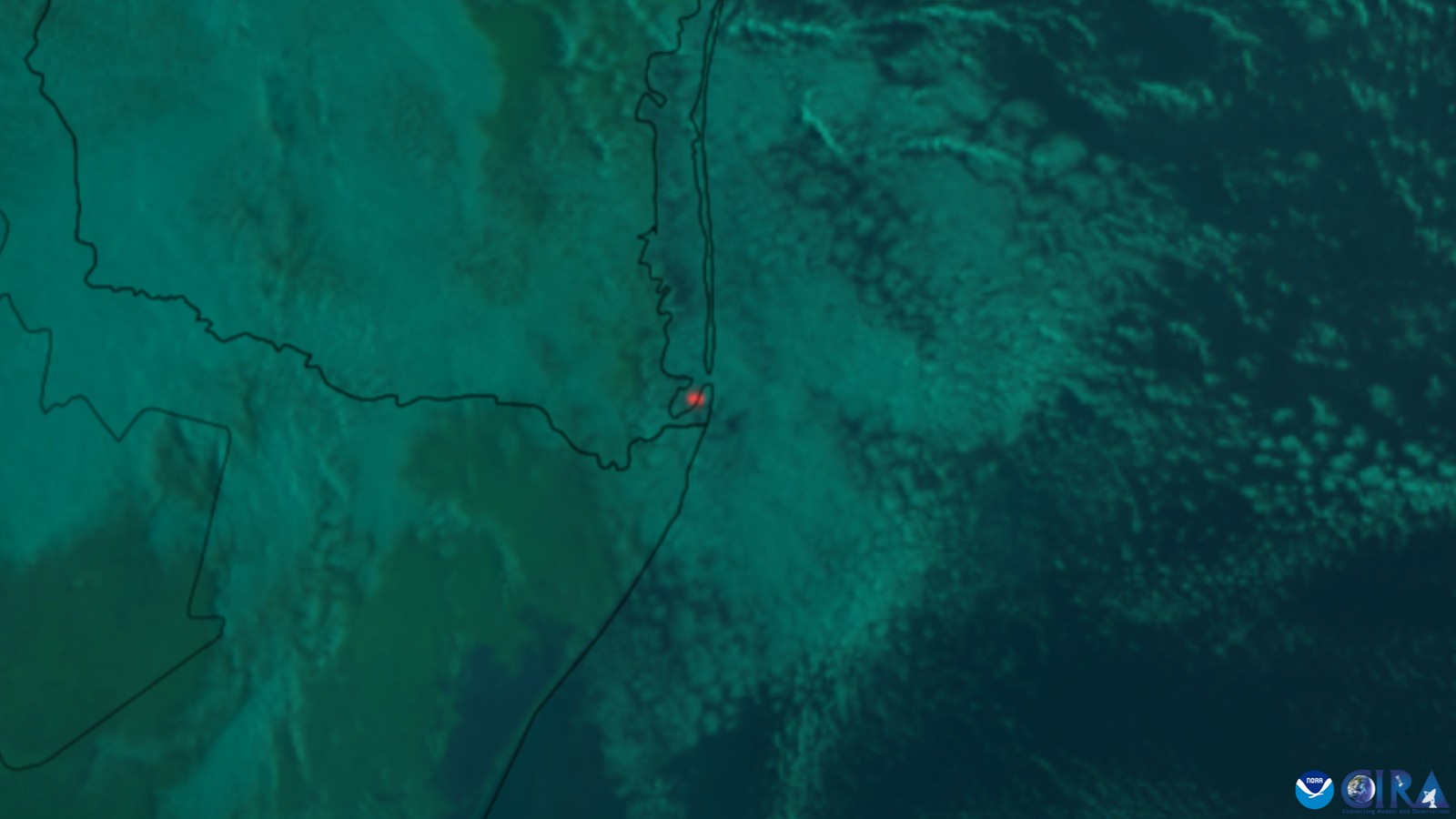
My loves, Flight 4 is the one where I actually exhaled. 😮💨 After three flights ending in explosions of one kind or another, June 6, 2024, at 7:50 a.m. Central (12:50 UTC, 8:50 a.m. Eastern), brought the first Starship flight where both stages made controlled landings over the ocean. The booster fired its engines and settled onto the Gulf of Mexico, and the ship made it through the worst of reentry, flipped upright and splashed down in the Indian Ocean about an hour later.
As of October 26, 2026, Flight 4 is the fourth of 14 Starship integrated flights. I mark numbers as official, reported or my arithmetic, and I flag it when sources disagree.

The Short Version
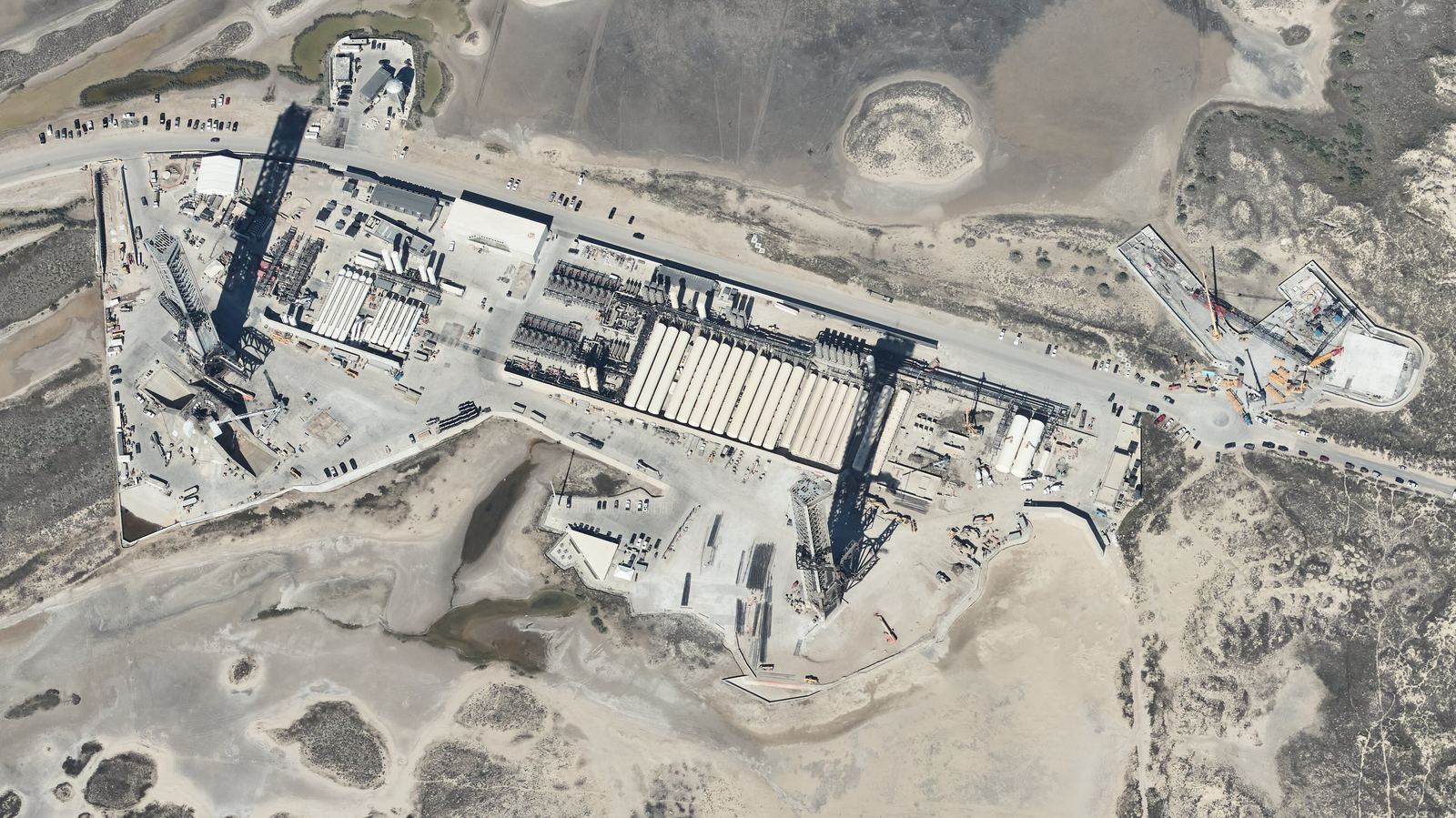
- What flew: Super Heavy Booster 11 and Ship 29 from Starbase’s Orbital Launch Pad 1 on June 6, 2024 (official).
- Main goals, both achieved: the booster simulates a landing at a “virtual tower” just above the Gulf of Mexico, and the ship survives at least peak heating on reentry.
- Booster: one engine out at liftoff, hot staging, a boostback burn, a temporary hot-stage ring jettison, and a landing burn with 12 of 13 engines. Splashdown at about T+7:24. It then tipped over and broke up in the water, as planned for a splashdown.
- Ship: full ascent burn, then entry with visible damage to a forward flap and some lost tiles, a flip, a landing burn, and splashdown at about T+1:05:56, roughly 6 km from the target center (Musk).
- Paperwork: the FAA licensed the flight on June 4 and on June 12 said it would not require a mishap investigation, a first for Starship.
Terms to know ✨
- Virtual tower: a pretend catch point just above the water. The booster flies the same final approach it would to a real tower, but over the ocean, so it can’t hurt anything if it fails.
- Flip and landing burn (ship): the ship falls belly-first through the atmosphere, then rotates upright and relights three Raptors to slow down for a vertical landing.
- Flaps: four movable steel flaps (two forward, two aft) that steer the ship as it falls. They are the ship’s “control surfaces” in the thick atmosphere.
- Heat shield tiles (TPS): thermal protection system. Black silica tiles on the windward side protect the steel from reentry heat. SpaceX intentionally omitted two tiles and put in one thinner tile on Ship 29 as a test of what happens when tiles are missing.
- Hot-stage ring: the vented ring between booster and ship. On this flight it was jettisoned from the booster to save weight (see Flight 2 for hot staging).
- Test-induced damage exception: an FAA license provision that pre-approves certain test outcomes so they don’t automatically trigger a mishap investigation.
- Transonic / subsonic: passing through and below the speed of sound. For a falling ship, it’s where the flip burn happens soon after.
Flight at a glance
| Item | Detail |
|---|---|
| Date and time | June 6, 2024, 12:50 UTC (7:50 a.m. CDT local; 8:50 a.m. EDT). Slipped one day from June 5. |
| Launch site | Starbase, Boca Chica, Texas (Orbital Launch Pad 1) |
| Vehicles | Super Heavy Booster 11 and Ship 29, Block 1 |
| Planned trajectory | Suborbital. Booster: virtual-tower splashdown in the Gulf. Ship: reentry, flip, landing burn and splashdown in the Indian Ocean. |
| Mission goals | Booster simulated landing; ship survives peak reentry heating; test a ship landing flip and burn. Not on this flight: payload door, propellant transfer, in-space relight. |
| Results | Booster splashdown with 12 of 13 engines, about T+7:24. Ship splashdown about T+1:05:56, within the target area but about 6 km off center. |
| Orbit (reported) | Apoapsis about 213 km, periapsis about -15 km, inclination about 26.8° (Wikipedia infobox) |
| Classification | A success in Wikipedia’s tally, with controlled booster and ship landings |
| Regulatory outcome | License June 4. FAA announced no mishap investigation required on June 12. |
The Road to Launch
After Flight 3, Booster 11 was static-fired with 33 engines on April 5, got its hot-staging ring in early May, and was stacked with Ship 29 on May 15. A wet dress rehearsal on May 20 and a second one on May 28 went well, and SpaceX installed the flight termination system on May 30. The FCC license came April 18.
The regulatory part was new. SpaceX asked the FAA on May 17 (the Wikipedia timeline; other reports say April 5, see my notes) for a public safety determination on Flight 3 so it could fly before that investigation closed. The FAA replied in late May that no public safety issues were involved. Then on June 4, the FAA issued a license for Flight 4, with a twist: SpaceX proposed three scenarios for the ship’s entry that would not require a mishap investigation if they happened, and the FAA approved them as “test-induced damage exceptions.” The three: the ship burns up during reentry; the flaps don’t have enough control authority; or the Raptors fail to relight for the landing. “If a different anomaly occurs with the Starship vehicle an investigation may be warranted,” the FAA said, “as well as if an anomaly occurs with the Super Heavy booster.”

Play-by-Play
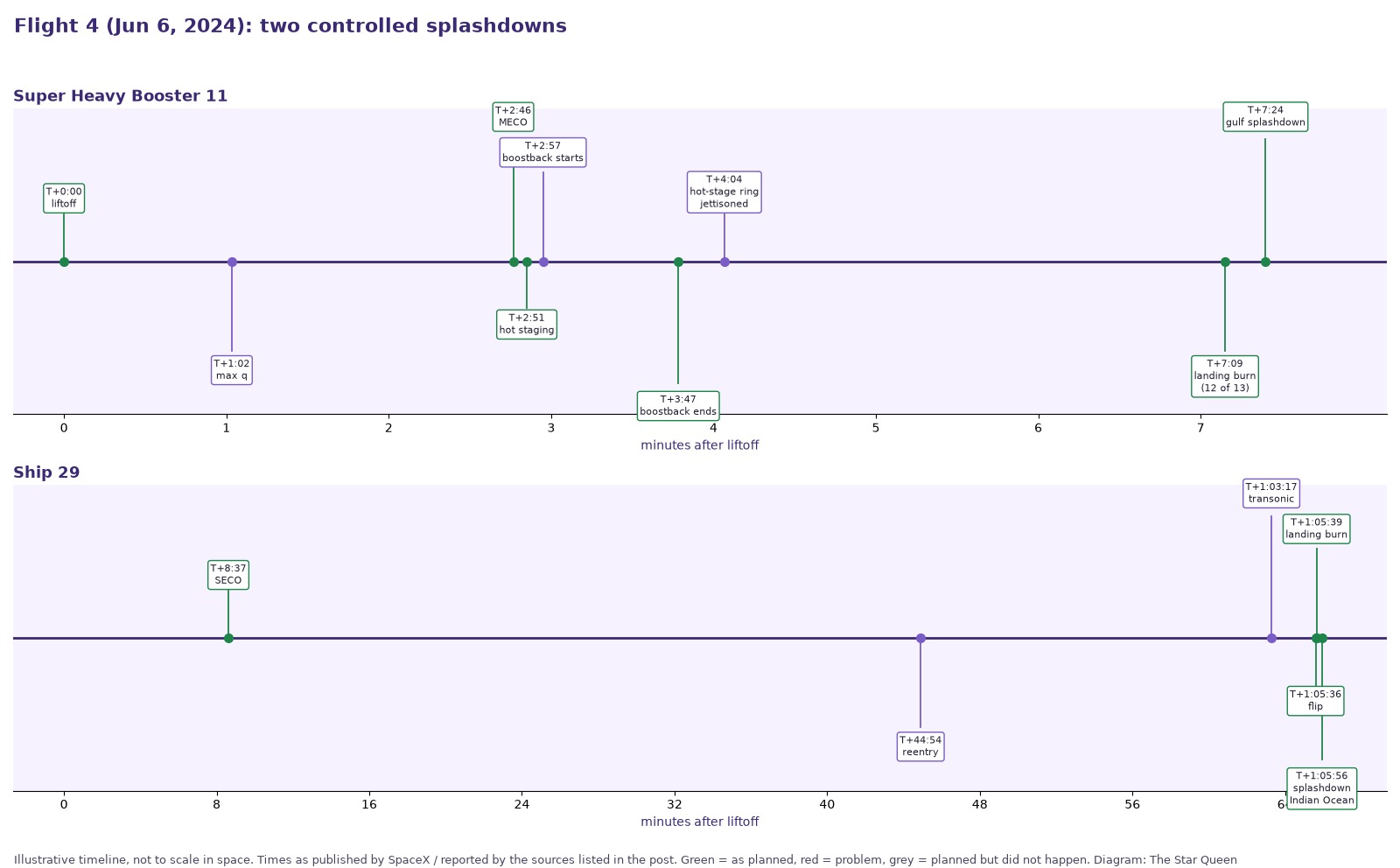
Times come from SpaceX’s flight timeline (as compiled on Wikipedia) and SpaceX’s Flight 4 page, with Ars Technica and Reuters for context.
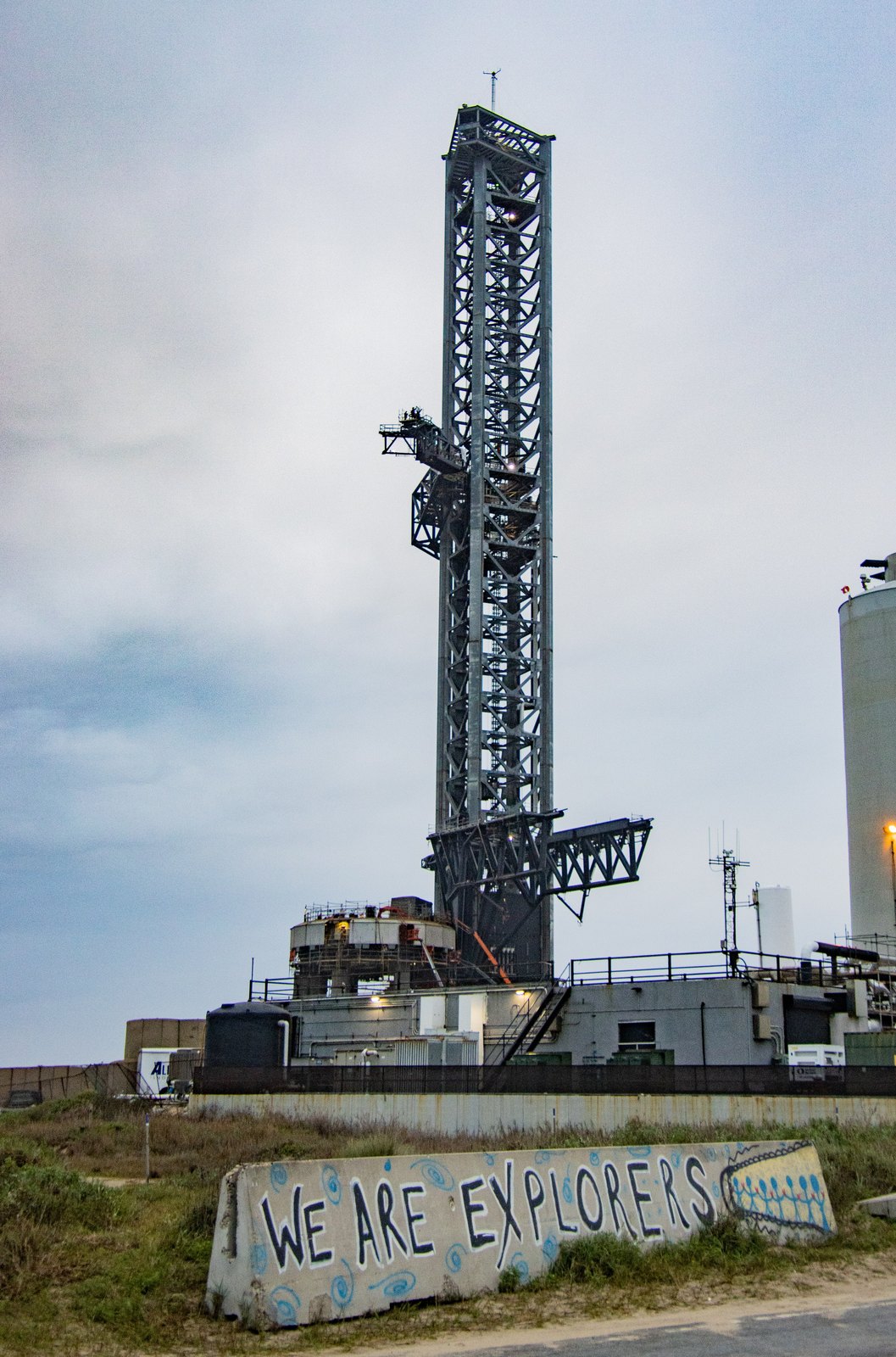
- T-0:10, flame deflector activation. The water deluge on the launch mount switched on.
- T+0:02, liftoff. One of the 33 Raptors shut down at T+0:03. Redundancy made it a non-event.
- T+1:02, max q.
- T+2:46, MECO. Most booster engines cut off.
- T+2:51, hot staging. The ship’s six Raptors lit and the vehicles separated.
- T+2:57 to T+3:47, boostback burn.
- T+4:04, hot-stage ring jettisoned. This was a temporary change for the flight to lighten the booster for descent. Long term, SpaceX said it wants a lighter, integrated ring that won’t be thrown away.
- T+7:09, landing burn. Twelve of 13 engines ignited. One didn’t, and the booster didn’t need it.
- T+7:24, splashdown. Super Heavy settled onto the Gulf with, per SpaceX’s Bill Gerstenmaier, “half a centimeter accuracy” (reported). The booster tipped over and was destroyed in the water, as expected; part of the engine section was recovered in September 2024.
- T+8:37, ship SECO. The six ship Raptors completed a full burn.
- T+44:54, reentry. Live views came through Starlink terminals on the ship, so the world watched plasma glow around the flaps in real time.
- T+1:03:17, transonic.
- T+1:05:36, landing flip. The ship rotated upright.
- T+1:05:39, landing burn. Three Raptors relit.
- T+1:05:56, splashdown in the Indian Ocean, within the target area but about 6 km off center, according to Elon Musk.

What Went Right
- Booster virtual landing. The vehicle that failed on its landing burn in Flight 3 now relit 12 of 13 engines and settled onto the Gulf. Wikipedia notes this was the first time Super Heavy and Starship both achieved controlled splashdowns. That was the green light for a real tower attempt.
- Ship survived peak heating. Ship 29 made it through the hottest part of reentry and kept attitude control despite significant visible damage to the structure and flaps, plus loss of some number of tiles.
- Ship flip and landing burn. After a hypersonic descent, the ship rotated upright and fired the three center Raptors for a powered vertical landing above the ocean.
- The deliberate tile test. SpaceX intentionally omitted two tiles and used a thinner one on Ship 29. The ship stayed in control, which gave engineers a data point on how much damage is survivable.
- Redundancy paid off. A booster engine out at liftoff and another not lighting for the landing burn didn’t change the outcome.
- The paperwork worked. The test-induced damage exception framework meant that if the ship had burned up, it wouldn’t have triggered a mishap investigation. And in the end, the FAA concluded on June 12 that all events were within the planned and authorized activities, so no investigation was required. That was a first for a Starship flight.
What Went Wrong (and What Was Left Unproven)
1. The flap and the tiles
The headline damage was a forward flap that showed visible burn-through and damage near its hinge during reentry, along with tile loss on the ship (Ars Technica, Space.com and others). In plain language: the steel flap that steers the ship got hot enough to start melting, and the ship still flew. I don’t have a number for how much of the flap was lost, so I’m not going to guess.
This is why SpaceX’s next move was a heat shield overhaul (see below). The long-term goal is a ship that can be reused quickly, and “survived with damage” isn’t that.
2. Not quite on target
Ship 29 splashed down about 6 km from the aimed point (Musk, reported), which the timeline marks as a partial success. Still within the target area, but not bullseye.
3. Things we didn’t get to test
The mission profile deliberately left out the payload door test, the propellant transfer demo and the in-space Raptor relight that Flight 3 had planned. Those were skipped on purpose and not because of a failure. The in-space relight, in particular, would be a major requirement for later missions.
4. A small timing disagreement
There’s a minor mismatch in the way sources describe the length of the flight. SpaceX’s page says the ship’s flight lasted “one hour and six minutes”. Reuters described it as about 65 minutes, and Wikipedia’s infobox lists 1 h 6 min 10 s while its own timeline says 1:05:56. None of that changes the story, but I wanted to show the work.
The Paperwork
The FAA’s June 12 decision stands out. Because all flight events matched the planned and authorized activities, no mishap investigation was required. For the first time, SpaceX could line up the next flight without a formal investigation. The FAA still has to license each flight, which is where the next one ran into trouble (see Flight 5).
What Changed Next
- A new heat shield. For Flight 5, almost all tiles were replaced with stronger ones, and a new ablative secondary layer was added beneath the tiles.
- Tower catch infrastructure. The goal for the booster: use the launch tower’s arms (nicknamed “chopsticks”) instead of landing legs.
- A change to the booster’s descent profile to prepare for catching (SpaceX shut its engines off earlier than on Flight 4, per Wikipedia).
The Star Queen’s Take
If Flight 3 was “Starship goes to space,” Flight 4 was “Starship comes home.” 🏠 What I love about this flight is that the result wasn’t a clean “everything worked.” The ship’s flap nearly burned through. A tile or two were missing by design. A booster engine didn’t light. Yet every major objective was met, which is a very different thing from a perfect flight, and exactly what a test is supposed to look like.
The part that gets overlooked: the FAA’s exception list. The FAA is often painted as a brake on SpaceX. But the test-induced damage exceptions were a negotiation to let SpaceX test a risky, damaging phase, burn-up on reentry, without every anomaly triggering months of paperwork. That is a smart way to regulate a test campaign, as long as public safety is respected.
I do have one caution, my loves. “Controlled splashdown” is not “reusable ship.” A flap that burns through on a single flight is far from the quick-turnaround reuse SpaceX describes as its goal. Flight 5 would tackle both the heat shield and the first booster catch in one go.
Watch
SpaceX’s official recap, and Scott Manley’s take on the flight.
If the video doesn’t load, watch it on YouTube: SpaceX: Starship’s Fourth Flight Test
If the video doesn’t load, watch it on YouTube: Scott Manley: SpaceX’s Starship Literally Melted! But It Kept Flying To A Miraculous Landing!
Keep Reading
- Previous: Starship Flight 3 explained, the first full burn and the first reentry.
- Next: Starship Flight 5 explained, the first booster catch.
- The engines: Raptor, the full-flow methane engine.
Sources
- SpaceX, Starship’s Fourth Flight Test (flight page): https://www.spacex.com/launches/starship-flight-4
- Wikipedia, Starship flight test 4 (timeline, vehicle changes, FAA decisions): https://en.wikipedia.org/wiki/SpaceX_Starship_integrated_flight_test_4
- Space.com, “SpaceX lands FAA license for next Starship megarocket launch on June 6” (FAA’s license statement and test-induced damage exceptions): https://www.space.com/spacex-starship-flight-4-faa-launch-license
- ValleyCentral, “FAA not requiring investigation into fourth Starship launch” (June 12, 2024): https://www.valleycentral.com/spacex/faa-not-requiring-investigation-into-fourth-starship-launch/
- Ars Technica, “SpaceX’s Starship took a beating but held on for first return from space” (June 2024): https://arstechnica.com/space/2024/06/spacexs-starship-took-a-beating-but-held-on-for-first-return-from-space/
- NASASpaceflight, “FAA Conducts Safety Investigation Into Flight 3” (for the public safety determination): https://www.nasaspaceflight.com/2024/05/starship-flight4-faa/
- Related posts on this site: Raptor, liquid methane
- Images: Wikimedia Commons and NOAA (credit and license in each caption). Diagrams by The Star Queen.