By The Star Queen · Star Queen Chronicles
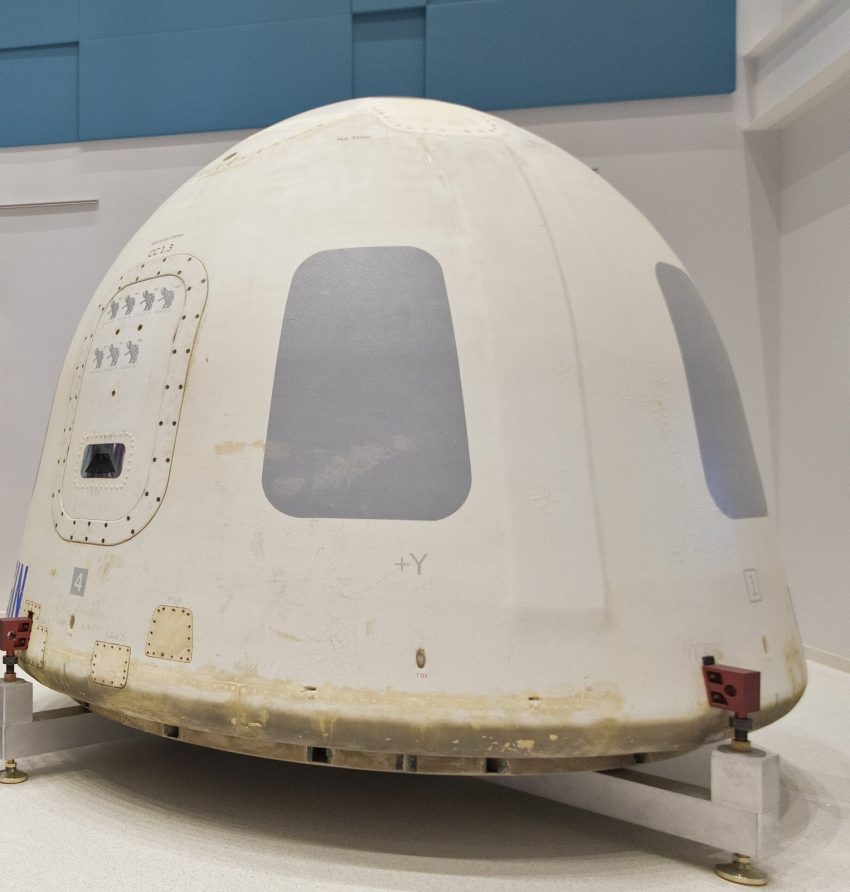
My loves, this launch failure is also a safety success story. 🛟 On September 12, 2022, Blue Origin’s New Shepard rocket was one minute and four seconds into an uncrewed science flight when its engine suddenly flared, and the capsule’s escape motor fired and yanked it away from the rocket. The capsule drifted down under parachutes. The booster did not survive.
No one was on board, but New Shepard carries paying passengers on other flights, so the question was: would the system have protected people? Blue Origin and the FAA say the escape system did what it was designed to do. I’ll walk through the flight, the investigation and the return to flight, and I’ll point out where sources differ.
The Short Version
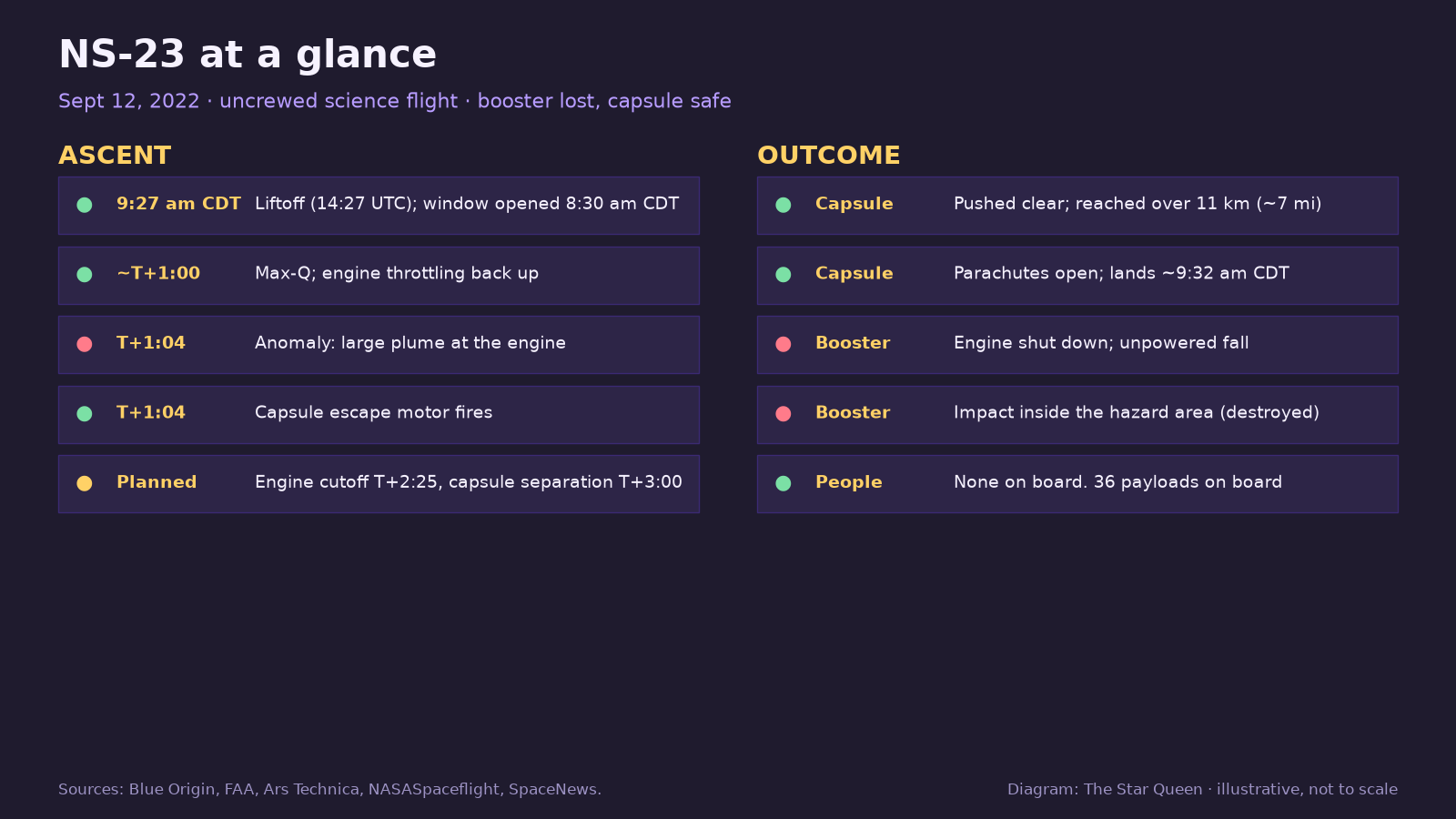
- When: Monday, September 12, 2022, liftoff at 9:27 am CDT (10:27 am EDT; 14:27 UTC), from Launch Site One near Van Horn, Texas.
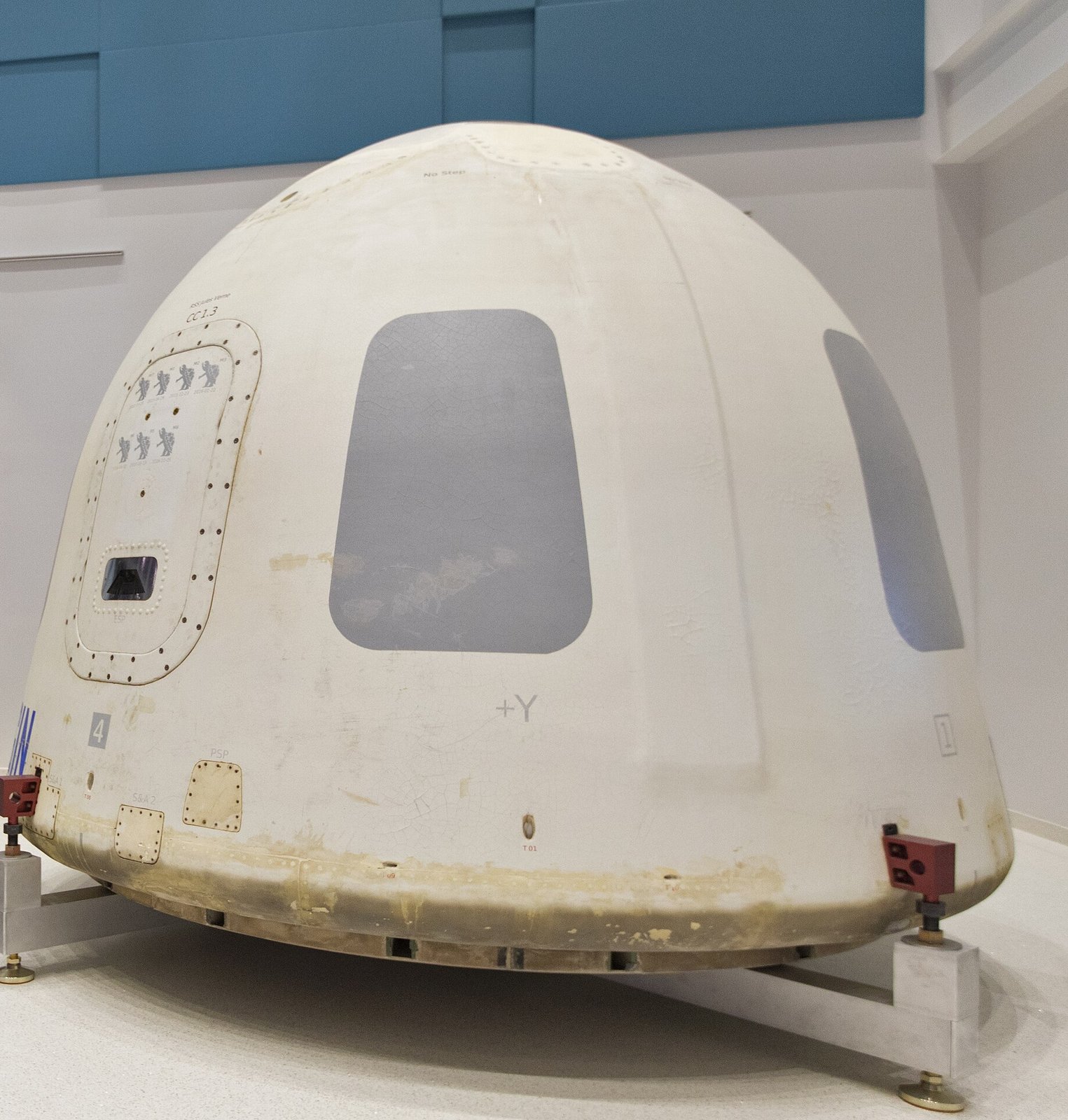
- Vehicle: Booster (“propulsion module”) Tail 3 on its ninth flight, with the uncrewed-flight capsule RSS H.G. Wells.
- Payloads: 36 science and education payloads, 18 of them NASA-funded, including two mounted on the outside of the booster.
- What happened: About 1 minute 4 seconds after liftoff, with a large plume at the engine, the capsule’s escape motor fired. The capsule landed safely on parachutes. The booster was destroyed in the designated hazard area. No one was hurt.
- Cause: A structural fatigue failure of the BE-3PM engine nozzle caused by temperatures hotter than expected (Blue Origin and FAA).
- Return: NS-24 flew December 19, 2023, about 15 months later.
Terms to know ✨
- BE-3PM: the hydrogen and liquid-oxygen engine that powers New Shepard’s booster. The related BE-3U runs New Glenn’s upper stage (see my NG-3 explainer).
- Capsule escape system: a solid rocket motor on the capsule that can pull it away from a failing rocket in a fraction of a second.
- Max-Q: the moment of peak aerodynamic pressure on the rocket.
- Boundary layer cooling: a thin film of cooler gas kept flowing along the inside wall of an engine nozzle so the metal doesn’t see the full heat of the exhaust.
- Structural fatigue: damage from repeated stress or heating that eventually makes material crack or fail. A “hot streak” is a narrow stripe of extra heating on the nozzle wall.
NS-23 at a glance
| Item | Details |
|---|---|
| Date and time | September 12, 2022, 9:27 am CDT (10:27 am EDT; 14:27 UTC) |
| Launch site | Launch Site One, near Van Horn, Texas |
| Booster / capsule | Tail 3 (ninth flight) / RSS H.G. Wells; no crew |
| Payloads | 36 (18 NASA-funded; two mounted on the booster) |
| Anomaly | About T+1:04, shortly after max-Q |
| Capsule | Escape motor fired; parachute landing; reached about 11 km (~7 mi) (Wikipedia) |
| Booster | Engine shut down; unpowered impact in hazard area |
The Road to NS-23
The launch was first aimed at August 31 and was held by weather, then again on September 1 (Wikipedia), before flying on September 12. Ars Technica reported the program had accomplished 20 successful spaceflights and landings in a row before this one, and that this was its first anomaly since the debut flight in April 2015, when the booster crash-landed.
What Happened, Minute by Minute
NASASpaceflight lays out the planned profile: engine cutoff at T+2:25, capsule separation at T+3:00, a few minutes of weightlessness, a capsule landing around T+10 minutes, and the booster landing on a pad around T+7:25.
The real flight diverged just after max-Q. Ars Technica reported that the BE-3 engine was throttling back up when a large anomalous plume appeared and the escape motor fired, at about 9,000 meters. (Wikipedia gives about 8 km, so I’d say “roughly 8 to 9 km.”) Blue Origin’s senior director Erika Wagner, the webcast’s commentator, said, “Safety is our highest value at Blue Origin… It’s why we built so much redundancy into the system” (as quoted by Ars Technica).
Ars Technica wrote that it appeared the flight termination system was activated. Blue Origin’s later findings describe it differently: as part of the capsule escape response, the propulsion module “commanded shutdown of the BE-3PM engine and followed an unpowered trajectory to impact” within the predicted area.
The escape system had flown before, but only in tests. Wikipedia lists a pad abort, an in-flight abort at max-Q and a high-altitude test, and says NS-23 was the first use outside a test. Ars Technica notes Booster 2 was retired in October 2016 after its escape-system test.
The Engineering, In Plain Language
What does an escape system do?
It’s a rocket motor on the capsule that fires if the booster fails, pushing the capsule up and away so it can open parachutes. Blue Origin’s findings say “the Crew Capsule escape system… functioned as designed throughout the flight,” and they say no changes to crew safety system designs were recommended. Blue Origin hasn’t said what forces the capsule felt, as Ars Technica noted in 2023.
What’s a nozzle, and why does it get hot?
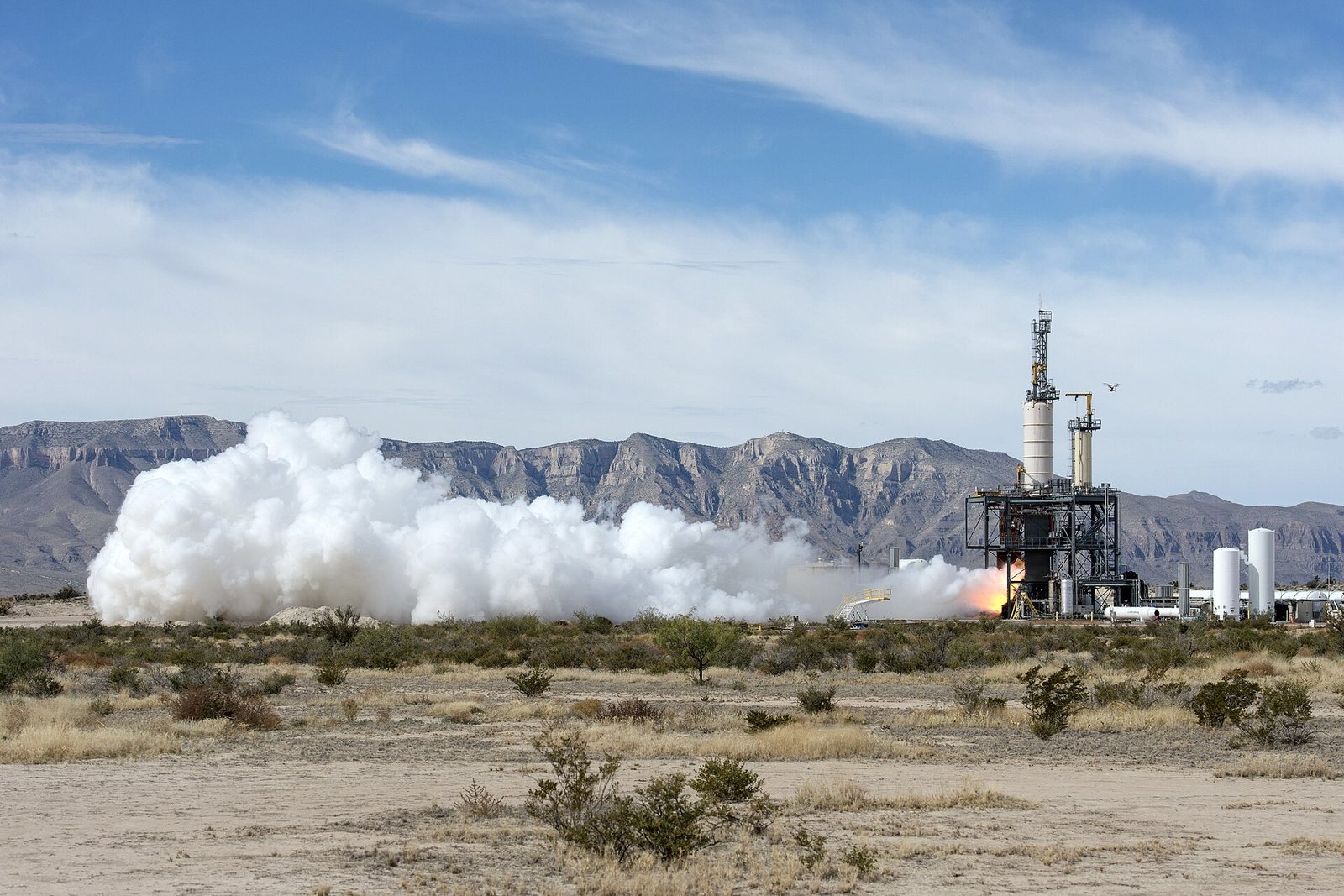
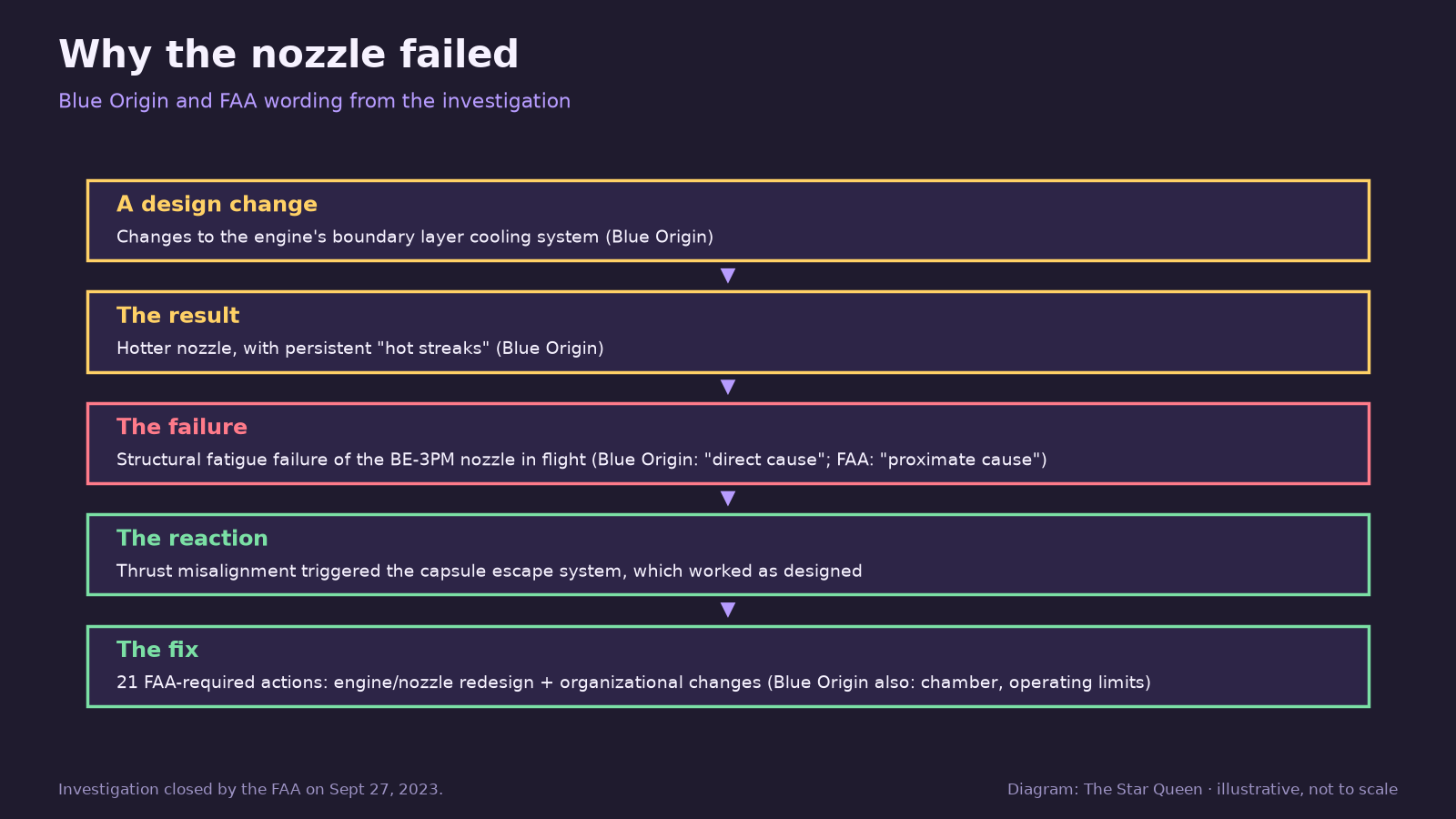
The nozzle is the bell-shaped end of the engine where hot exhaust speeds out. It’s extremely hot, so engineers cool it, and one trick is boundary layer cooling: a thin layer of cooler gas along the wall. Blue Origin’s investigators found that design changes made to the engine’s boundary layer cooling system “accounted for an increase in nozzle heating and explained the hot streaks.” The fatigue location on the nozzle lined up with a persistent hot streak. Blue Origin said the resulting thrust misalignment triggered the escape system, and Ars Technica summed up the finding as a nozzle running hotter than expected, “leading to an explosion of the rocket.”
What the Investigation Found
Blue Origin published its findings on March 24, 2023, more than six months after the flight. Its summary: “The direct cause of the NS-23 mishap was a thermo-structural failure of the engine nozzle. The resulting thrust misalignment properly triggered the Crew Capsule escape system, which functioned as designed throughout the flight.” The investigation was conducted with FAA oversight and included NTSB and NASA representatives.
The company reported that the flight-configuration nozzle “operated at hotter temperatures than previous design configurations.” Its corrective actions included “design changes to the combustion chamber and operating parameters” and “additional design changes to the nozzle.”
What the FAA Said
The FAA closed its oversight on September 27, 2023. The final report “cites the proximate cause of the Sept. 12, 2022, mishap as the structural failure of an engine nozzle caused by higher than expected engine operating temperatures.” The FAA required Blue Origin to implement 21 corrective actions, “including redesign of engine and nozzle components to improve structural performance during operation as well as organizational changes.”
The FAA added that “the closure of the mishap investigation does not signal an immediate resumption of New Shepard launches.” Blue Origin had to implement the corrective actions that affect public safety and obtain “a license modification from the FAA” before the next launch. The full report isn’t public (proprietary and export-controlled data).
One wording note: Blue Origin calls the nozzle failure the “direct cause,” and the FAA calls it the “proximate cause.” Both mean the immediate trigger.
Back to Flight
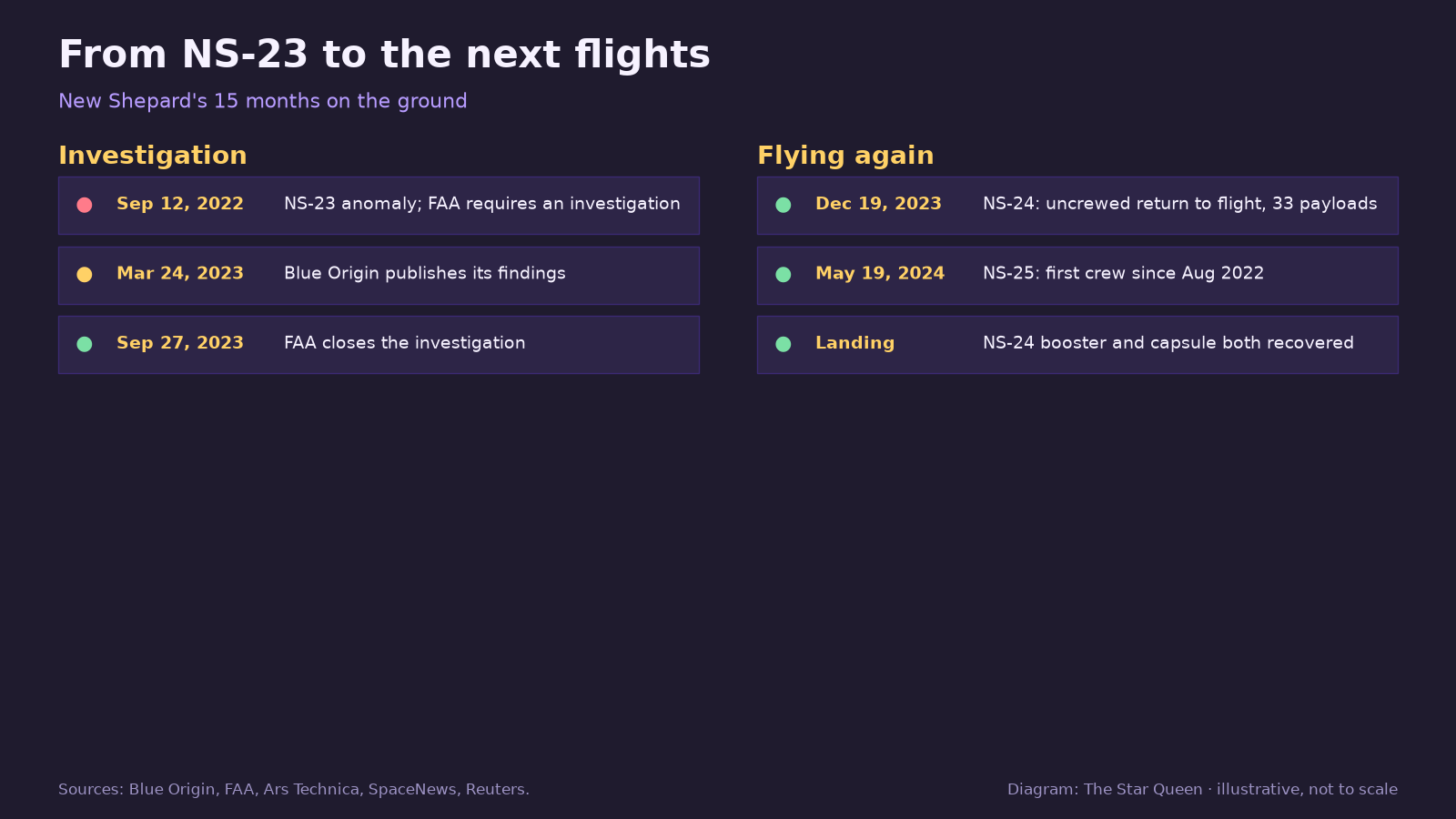
New Shepard flew again on December 19, 2023 (NS-24), at 10:42:28 am CST (16:42:28 UTC), with 33 payloads and 38,000 postcards. Blue Origin’s release says both capsule and booster were recovered, and that the mission lasted 10 minutes 13 seconds and reached about 106 km. Blue Origin said in March 2023 it planned to re-fly the NS-23 payloads, but I haven’t compared the two manifests. Crewed flights resumed with NS-25 on May 19, 2024, with six crew on board (Blue Origin). Reuters’ headline called it the first crew flight since the 2022 grounding.
One claim I only have secondhand: TechCrunch (Dec 12, 2023) wrote that the new launch date meant Blue Origin had implemented the corrective actions and received its modified FAA license, which it said was limited to West Texas launches and expires in August 2025. I haven’t opened the license document myself.
For what happened to New Shepard after that, including its pause, see Beyond New Glenn: New Shepard’s pause, Blue Ring and the crew vehicle.
Then and Now
What NS-23 changed: The nozzle, the cooling approach, the operating parameters and some organizational processes. Connection to New Glenn: The BE-3U on New Glenn’s upper stage is a related engine, but the NG-3 problem was, by the FAA’s account, a cryogenic leak that froze a hydraulic line. Different cause, same pattern: investigate, fix, verify, fly.
The Star Queen’s Take 👑
I love when a failed flight proves the safety design. The escape motor on the capsule had to fire for real, and it did. But I also don’t want to be glib. A rocket that carries people shouldn’t lose its engine nozzle on a normal ascent, and the FAA’s call for “organizational changes” tells me the lessons weren’t only about metal.
The cooling story fascinates me: a design change that quietly raised the heat on one part of the nozzle. Change one thing, and the heat finds the weak spot.
Watch
Blue Origin’s NS-23 webcast.
If the video doesn’t load, watch it here: Blue Origin on YouTube.
Keep Reading
Related: New Glenn NG-1 Explained, New Glenn NG-2 Explained, New Glenn NG-3 Explained, and the LC-36 explosion and rebuild.
Sources
- Blue Origin, NS-23 findings (March 24, 2023): https://www.blueorigin.com/news/ns-23-findings
- Blue Origin, NS-24 mission results (December 19, 2023): https://www.blueorigin.com/news/new-shepard-ns-24-mission-announcement
- FAA, “FAA Closes Blue Origin Mishap Investigation” (September 27, 2023): https://www.faa.gov/newsroom/faa-closes-blue-origin-mishap-investigation
- FAA, Compliance, Enforcement & Mishap: https://www.faa.gov/space/compliance_enforcement_mishap
- Ars Technica, “After Blue Origin’s rocket explodes, its spacecraft makes a dramatic escape” (Sept 12, 2022): https://arstechnica.com/science/2022/09/blue-origin-rocket-explodes-on-ascent-but-spacecraft-escape-system-works-well/
- Ars Technica, “Blue Origin provides a detailed analysis of its launch failure” (Mar 27, 2023): https://arstechnica.com/science/2023/03/blue-origin-provides-a-detailed-analysis-of-its-launch-failure/
- NASASpaceflight, “New Shepard suffers in-flight abort on uncrewed NS-23 mission”: https://www.nasaspaceflight.com/2022/09/new-shepard-ns-23/
- TechCrunch, “Bezos’ Blue Origin aiming to make long-awaited return to launch next week” (Dec 12, 2023): https://techcrunch.com/2023/12/12/bezos-blue-origin-aiming-to-make-long-awaited-return-to-launch-next-week/
- Blue Origin, NS-25 mission update: https://www.blueorigin.com/news/ns-25-mission-updates
- Reuters, “Bezos’ Blue Origin launches first crew to edge of space since 2022 grounding” (headline only; I did not open the full article): https://www.reuters.com/technology/space/bezos-blue-origin-launch-first-crew-edge-space-since-2022-grounding-2024-05-19/
- Wikipedia, “Blue Origin NS-23”: https://en.wikipedia.org/wiki/Blue_Origin_NS-23
- Images (Wikimedia Commons; NASA public domain): https://commons.wikimedia.org/wiki/File:New_Shepard_capsule_01_(cropped).jpg (featured, cropped), https://commons.wikimedia.org/wiki/File:Blue_Origin_test_fires_a_powerful_new_hydrogen-_and_oxygen-fueled.jpg
