By The Star Queen
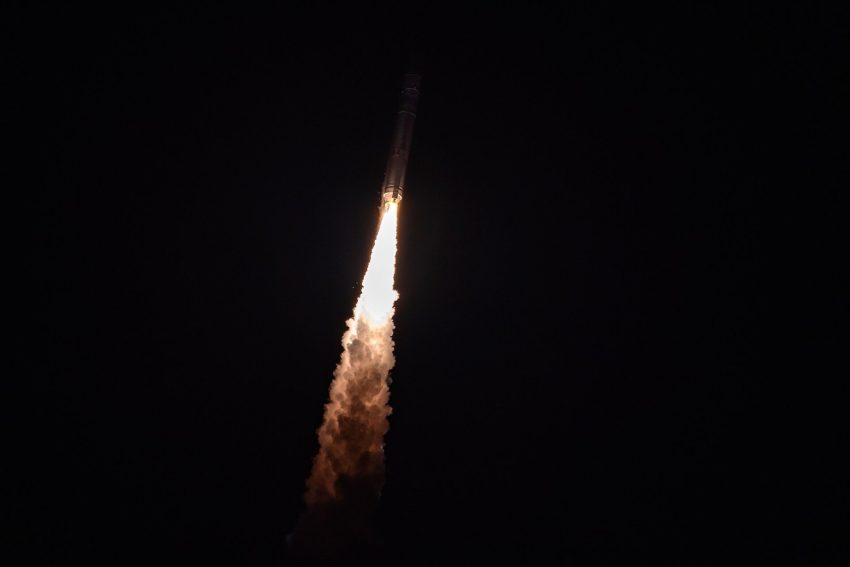
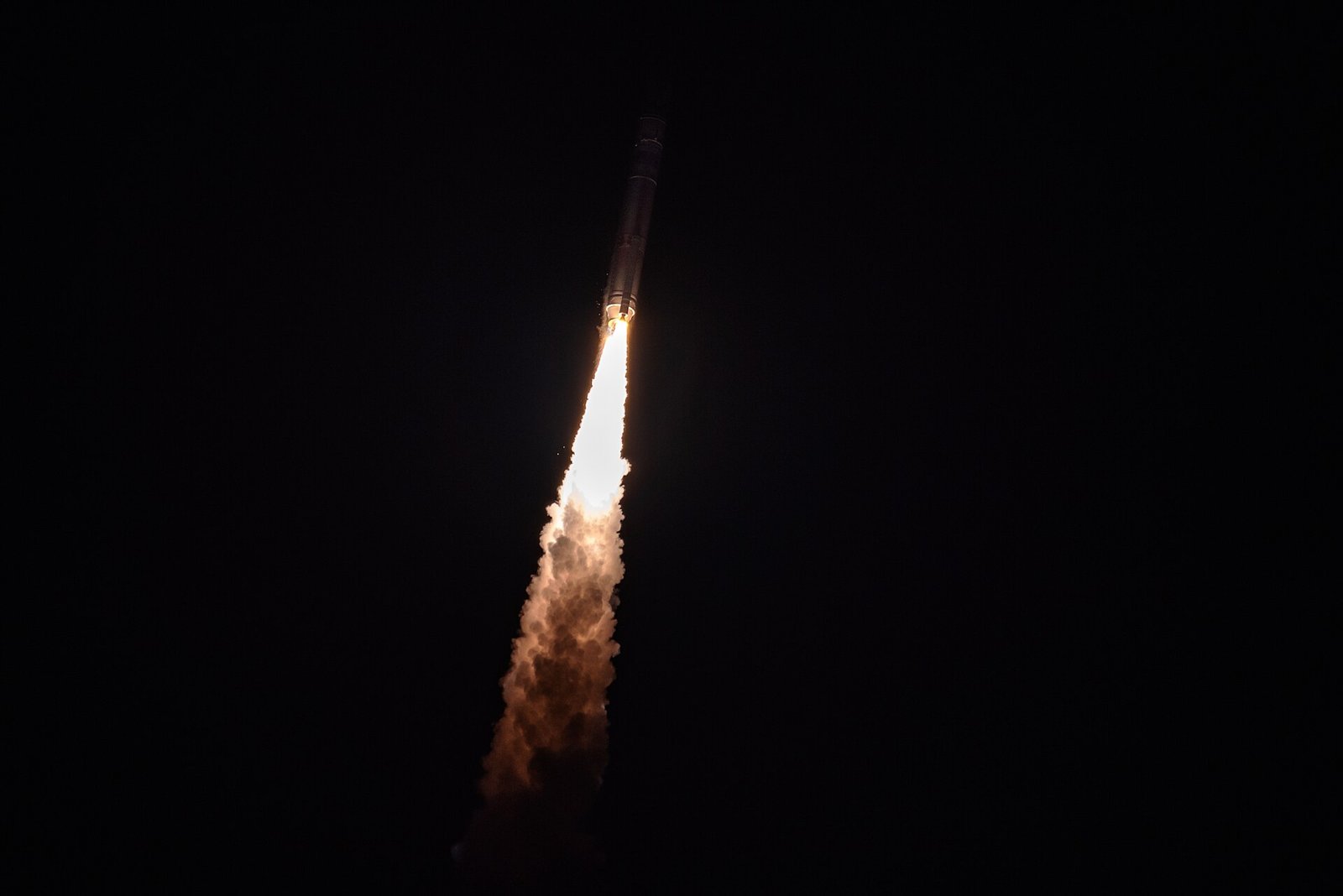
My loves, there’s a big American rocket that has flown only four times, has a huge backlog of government and Amazon missions, and has been on the ground since February. 🌟 It’s ULA’s Vulcan Centaur, and the story around it is so tangled that the rocket itself gets lost. So today is the “what even is this thing” post: what it’s made of, how strong it is, who’s paying for it and who runs the company. (For the physics underneath, my Basic Rocket Science post from January covers thrust, propellant and nozzles.)
What Vulcan Is, in One Paragraph
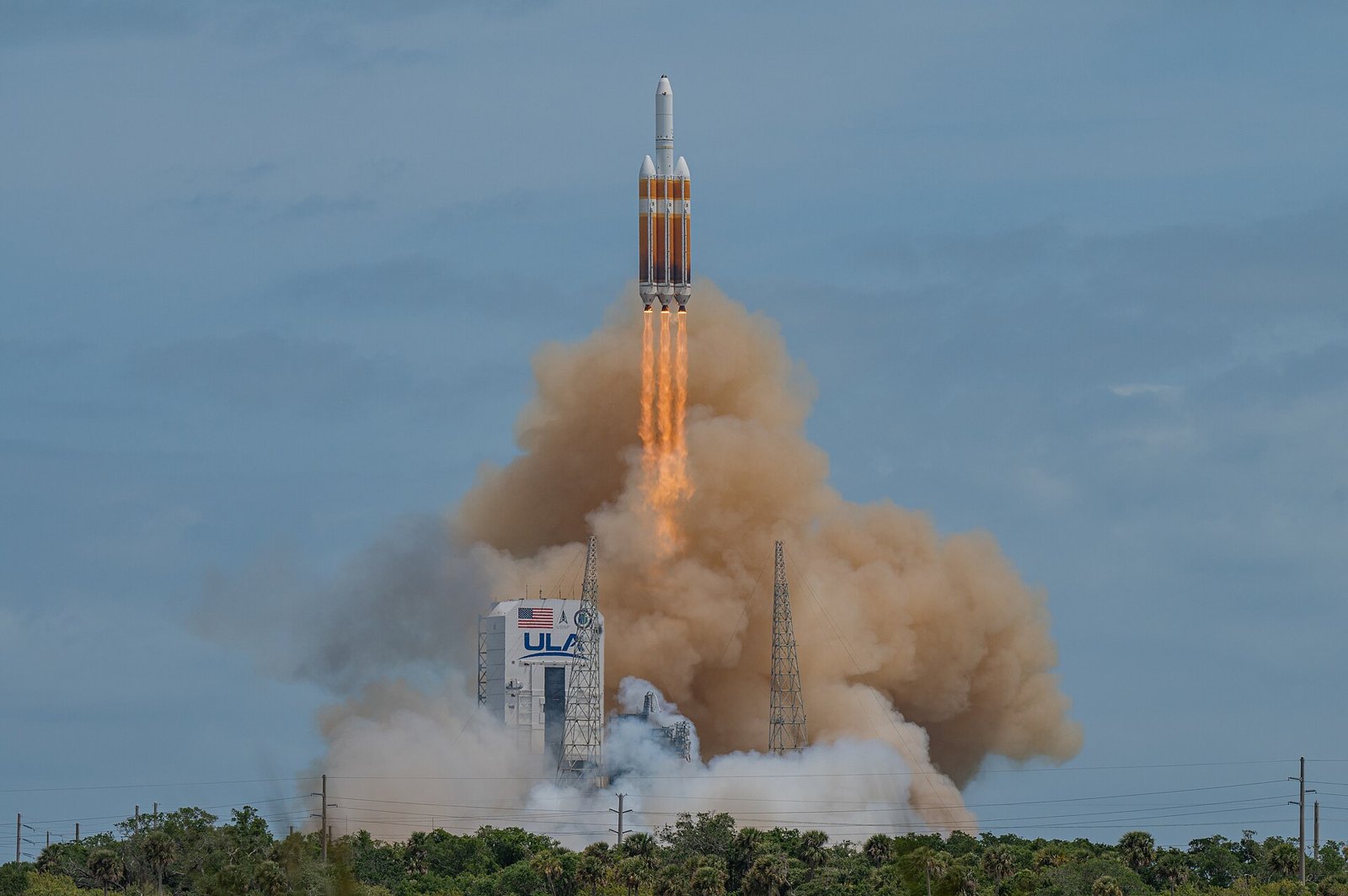
Vulcan is the rocket ULA built to replace its older Atlas V and Delta IV rockets. Delta IV Heavy flew its final mission in April 2024 (photo below), and Ars describes the Atlas V program as “winding down in favor of ULA’s Vulcan” (Ars Technica, Jul 7, 2026). ULA is a 50-50 joint venture between Boeing and Lockheed Martin (Ars Technica, Apr 15, 2026).
The Three Parts
1. The first stage: two BE-4 engines. According to ULA, Vulcan’s booster is powered by a pair of BE-4 engines made by Blue Origin, burning liquefied natural gas (mostly methane) with liquid oxygen (ULA, Vulcan page). Wikipedia lists each at about 550,000 pounds of thrust (Wikipedia, Vulcan Centaur).
2. The strap-on solids: 0, 2, 4 or 6 GEM 63XL boosters. These are Northrop Grumman solid rocket motors made of graphite-epoxy composite. ULA lists each as 71.8 feet long, with a nominal burn time of 90 seconds and a peak vacuum thrust of 459,600 pounds (ULA, Vulcan page). Ars adds that each burns more than 105,000 pounds of propellant (Ars Technica, Feb 12, 2026).
3. The upper stage: Centaur V. It uses two L3Harris RL10C engines burning liquid hydrogen and liquid oxygen. ULA says the RL10 family has logged more than 500 successful flights and 800 firings in space (ULA, Vulcan page). Centaur V does the delicate work, like restarting in space to put a satellite exactly where it belongs. A “LEO-optimized” version built for Amazon is about six feet (1.8 m) shorter than the standard high-energy version (ULA blog, Aug 6, 2026).
Reading the Names: VC0, VC2, VC4, VC6
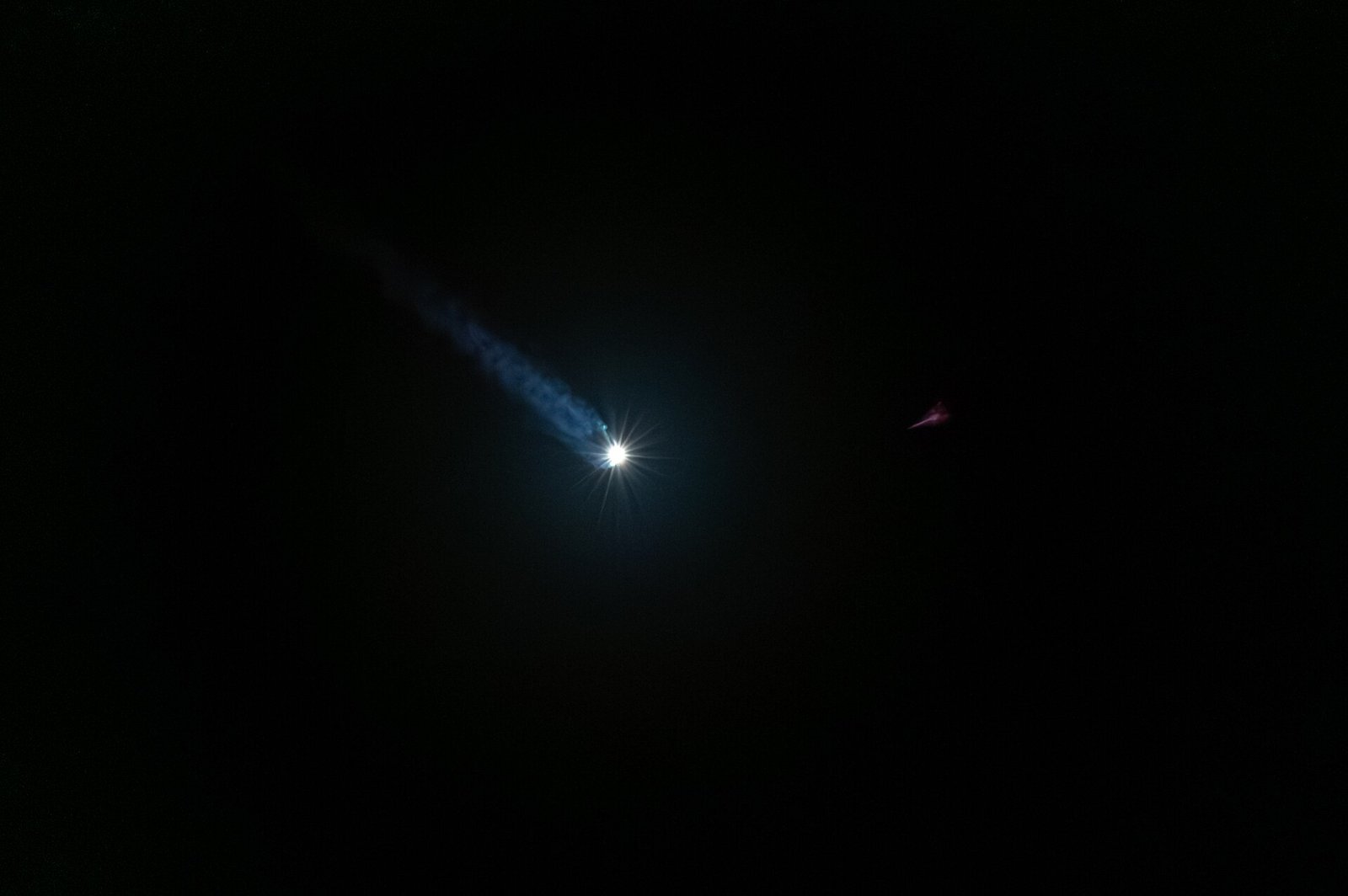
The number after “VC” is how many solid boosters are strapped on, and the letter at the end is the fairing length (S for standard, L for long). ULA says the fairing is 5.4 meters wide, in 15.5-meter standard or 21.3-meter long versions (ULA, Vulcan page). So the first flight, with two boosters and a standard fairing, was a VC2S (Wikipedia, Vulcan Centaur). Here are ULA’s own published numbers (accessed October 25, 2026), for a few destinations. Other references list different figures, so treat these as ULA’s claims.
| Configuration | To GTO (kg) | To low Earth orbit, 200 km at 28.7° (kg) | To the Moon (TLI, kg) |
|---|---|---|---|
| VC0 (no solids) | 3,500 | 10,800 | 2,300 |
| VC2 | 8,400 | 19,000 | 6,300 |
| VC4 | 11,700 | 24,600 | 9,200 |
| VC6 | 14,500 | 27,200 | 11,500 |
Source: ULA, Vulcan page.
How Vulcan Stacks Up
Rocket numbers are slippery: some are for fully expended rockets, some for reuse, and some are design claims never proven in flight. With that warning:
| Rocket | To GTO (kg) | To low Earth orbit (kg) | Source |
|---|---|---|---|
| Atlas V 551 | 8,900 | 18,850 | ULA, Atlas V page |
| Delta IV Heavy (retired) | 14,210 | 28,370 | ULA, Delta IV page |
| Vulcan VC6 | 14,500 | 27,200 | ULA, Vulcan page |
| Falcon 9 (expendable) | 8,300 | 22,800 | Wikipedia, citing SpaceX |
| Falcon Heavy (fully expended) | 26,700 | 63,800 | Wikipedia, citing SpaceX |
| New Glenn (7×2) | about 13,000 to 13,600 | 45,000 | Wikipedia; Blue Origin’s 2019 statement |
My own arithmetic: VC6 carries about 290 kg more to GTO than Delta IV Heavy (about 2 percent) and about 1,170 kg less to low Earth orbit (about 4 percent). So by ULA’s own numbers Vulcan roughly matches Delta IV Heavy with one core instead of three. VC6 also lifts about 1.4 times the biggest Atlas V to low orbit (27,200 vs. 18,850, my math).
Falcon Heavy and New Glenn are on paper much bigger. New Glenn has flown only a handful of times, and a May 2026 explosion heavily damaged its Cape pad, per Wikipedia (Wikipedia, New Glenn). Vulcan’s pitch was never “biggest” or “cheapest.” It’s high energy and precise insertion directly into tough orbits.
Terms to know ✨
- Solid rocket booster (SRB): a booster whose fuel and oxidizer are packed together as a solid, like a giant firework. Once lit, it burns until it’s out. Vulcan’s are called GEM 63XL.
- BE-4: the methane-and-liquid-oxygen engine Blue Origin builds. Vulcan uses two. New Glenn uses seven.
- Centaur V: Vulcan’s hydrogen-fueled upper stage. It can restart in space.
- GTO: geosynchronous transfer orbit, the high stretched orbit satellites use as a stepping stone to 22,000 miles up.
- NSSL: National Security Space Launch, the Space Force program that buys launches for military and spy satellites.
The Flight Record So Far
Vulcan has flown four times, per Wikipedia’s launch list.
- Cert-1, January 8, 2024. A VC2S launched Astrobotic’s Peregrine lander toward the Moon; Peregrine’s later propulsion failure was unrelated to the rocket (Wikipedia, Vulcan Centaur).
- Cert-2, October 4, 2024. About 37 seconds after liftoff the nozzle fell off one of the GEM 63XL boosters. The booster kept burning, the BE-4 engines compensated, and the rocket still reached its planned orbit (Wikipedia, Vulcan Centaur). It carried a mass simulator because Sierra Space’s Dream Chaser wasn’t ready (Spaceflight Now, Mar 27, 2025).
- USSF-106, August 12, 2025. The first national security mission. It went smoothly, carrying the NTS-3 navigation testbed to geosynchronous orbit (Spaceflight Now, Feb 12, 2026; Wikipedia, Vulcan Centaur).
- USSF-87, February 12, 2026. It reached orbit, but a booster nozzle failed again, and Vulcan has been grounded since.
The Space Force certified Vulcan for national security missions in March 2025 after ULA completed 52 certification criteria (Spaceflight Now, Mar 27, 2025). ULA planned 20 launches in 2025 and flew six, one on Vulcan (Air & Space Forces Magazine, Feb 10, 2026).
Who’s Paying for It
The Space Force. In April 2025 the Space Force awarded NSSL Phase 3 “Lane 2” contracts worth up to $13.68 billion: SpaceX 28 missions (up to $5.9 billion), ULA 19 (up to $5.4 billion), and Blue Origin 7 (up to $2.4 billion) (Air & Space Forces Magazine, Apr 5, 2025). In the second yearly assignment, in October 2025, ULA got two missions and SpaceX five (Spaceflight Now, Oct 4, 2025). Ars reported in April 2026 a Vulcan backlog of nearly 70 launches, with roughly half the Space Force’s major launches over four years assigned to it (Ars Technica, Apr 15, 2026).
Amazon. Amazon bought nine Atlas V launches in 2021, and has reserved 38 Vulcan launches, according to Ars. It funded a dedicated Vulcan assembly hangar at the Cape (Ars Technica, Jul 7, 2026). Amazon Leo (formerly Project Kuiper) is meant to reach 3,232 satellites in its first generation (same article). One outlet says 39 Vulcan launches, so the exact number is fuzzy.
NASA and others. Sierra Space’s Dream Chaser spaceplane was built to fly on Vulcan. In September 2025 NASA and Sierra Space changed the plan so the debut is a free-flying demonstration, not a station delivery (Spaceflight Now, Sep 26, 2025). NASA said on September 28, 2026 it will work with Boeing and ULA to certify Vulcan for Starliner after Atlas V’s final flight (NASA, Sep 28, 2026).
The People Side
Longtime CEO Tory Bruno resigned effective Monday, December 22, 2025 (Spaceflight Now, Dec 22, 2025). Four days later Blue Origin named him “president, National Security” at Blue Origin (Spaceflight Now, Dec 26, 2025). (One outlet said “early January”; I’m using Spaceflight Now’s dates.) John Elbon served as interim CEO. On August 17, 2026, ULA named Mark Peller, who had been chief operating officer and has been with the company since its 2006 formation, as its new president and CEO (ULA release, Aug 17, 2026).
What about a sale? In August 2024 Reuters reported, citing two people familiar with the talks, that Boeing and Lockheed were talking with Sierra Space about selling ULA at an estimated $2 billion to $3 billion value. The companies said they don’t comment on market speculation (Reuters via Yahoo Finance, Aug 16, 2024). I haven’t found any announced deal since. In February 2026, asked about a sale, Elbon said ULA and its board were developing an internal strategy and weren’t ready to share plans, (Air & Space Forces Magazine, Feb 10, 2026). The same article notes that outlets reported in 2023 that ULA was for sale, with Blue Origin named as an interested buyer, and that no deal materialized. That isn’t confirmation of sale talks, and I’m not claiming any exist.
One Engine, Two Rockets
Blue Origin’s CEO said the May 28 New Glenn explosion originated at the main oxygen valve on one of its BE-4 engines, and ULA told Spaceflight Now that Blue Origin will modify Vulcan’s BE-4s too, even though they aren’t identical to New Glenn’s (Spaceflight Now, Aug 6, 2026). So the two non-SpaceX heavy rockets share a supplier.
What to Watch Next (As of October 25, 2026)
- The first return flight. A tracker lists Amazon Leo “LV-01” on a Vulcan VC6L, no earlier than 7:00 p.m. ET November 29 (Nov 30, 00:00 UTC), with the date flagged approximate (Space Launch Live). I found no official ULA date.
- The root cause. As of October 22, officials hadn’t released interim findings (SatNews, Oct 22, 2026).
- National security missions. The Space Force has been trading some to SpaceX while Vulcan is down.
The Star Queen’s Takeaway 👑
Vulcan is a smart design on paper: a hydrogen upper stage on methane engines and strap-on solids, replacing two aging rockets with one. But four flights is a short record, and two of them had the same kind of nozzle problem. I’m rooting for it, because a country with one working heavy-lift provider has a fragile launch plan. 🚀
Sources
- ULA pages: Vulcan Centaur, Atlas V and Delta IV (undated; accessed Oct 25, 2026)
- ULA: wet dress rehearsal blog (Aug 6, 2026); Mark Peller named CEO (Aug 17, 2026)
- Wikipedia (accessed Oct 25, 2026): Vulcan Centaur, Falcon 9, Falcon Heavy, New Glenn
- Spaceflight Now: Vulcan certified (Mar 27, 2025); Dream Chaser delay (Sep 26, 2025); FY26 assignments (Oct 4, 2025); Bruno resigns (Dec 22, 2025); Bruno to Blue Origin (Dec 26, 2025); USSF-87 booster problem (Feb 12, 2026); Blue Origin engine issue (Aug 6, 2026)
- Air & Space Forces Magazine: $13.7 billion contracts (Apr 5, 2025); ULA’s interim leader (Feb 10, 2026)
- Ars Technica: Vulcan booster problem (Feb 12, 2026); Space Force moves launches (Apr 15, 2026); Atlas V’s last act (Jul 7, 2026)
- NASA, Starliner update (Sep 28, 2026)
- Reuters via Yahoo Finance, Boeing, Lockheed in talks to sell ULA to Sierra Space (Aug 16, 2024)
- SatNews, six missions moved to SpaceX (Oct 22, 2026)
- Space Launch Live, Vulcan Amazon Leo LV-01 (page updated Oct 24, 2026)