By The Star Queen · Star Queen Chronicles
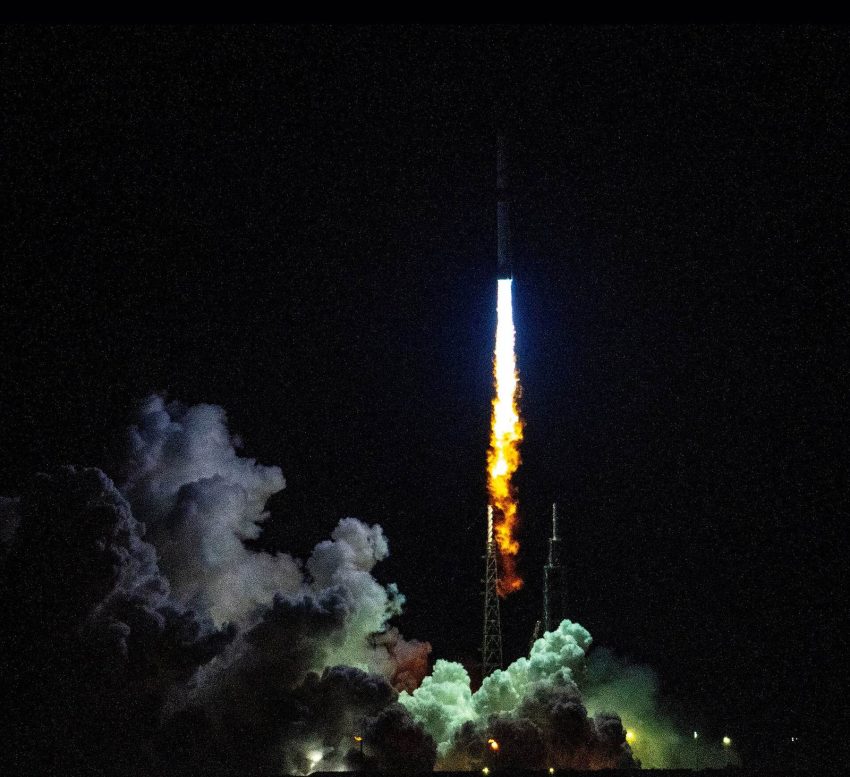
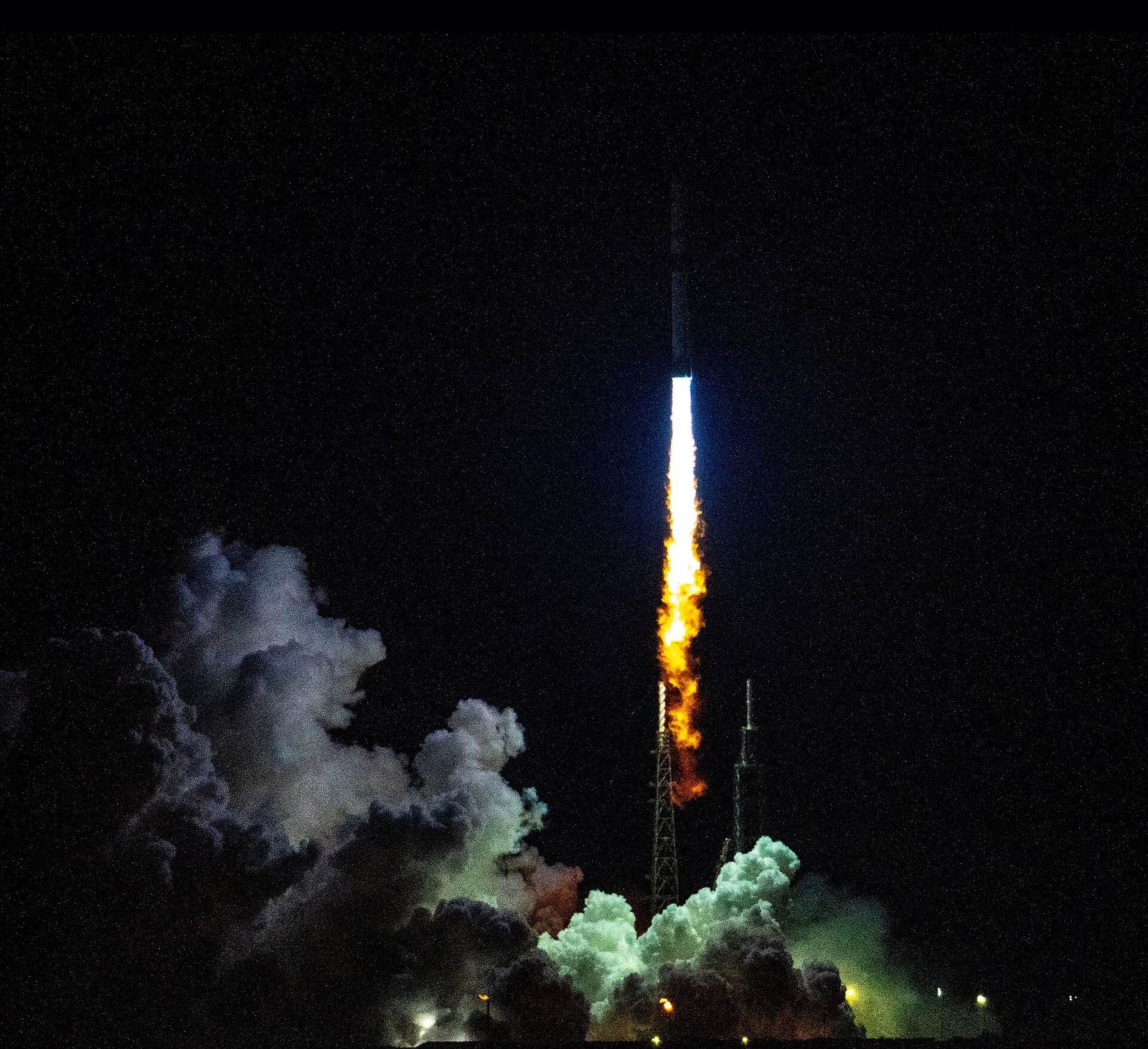
My loves, some launches are about the rocket, and some are about the nerve. On January 16, 2025, at 2:03 in the morning Eastern time, Blue Origin lit seven BE-4 engines on a brand-new, 98-meter-tall rocket and asked it to do something most rockets can’t do on their first try: reach orbit. It did. 🥳 Then the booster, which was supposed to come home and land on a ship, didn’t make it back.
That’s NG-1, the first flight of New Glenn. I’m writing this on October 26, 2026, so I can tell you how the story continued (New Glenn has now flown three times, and I’ve written an explainer on each). I’ll also point out where the sources disagree, and I’ll be careful to separate what Blue Origin and the FAA actually said from what reporters interpreted.
The Short Version
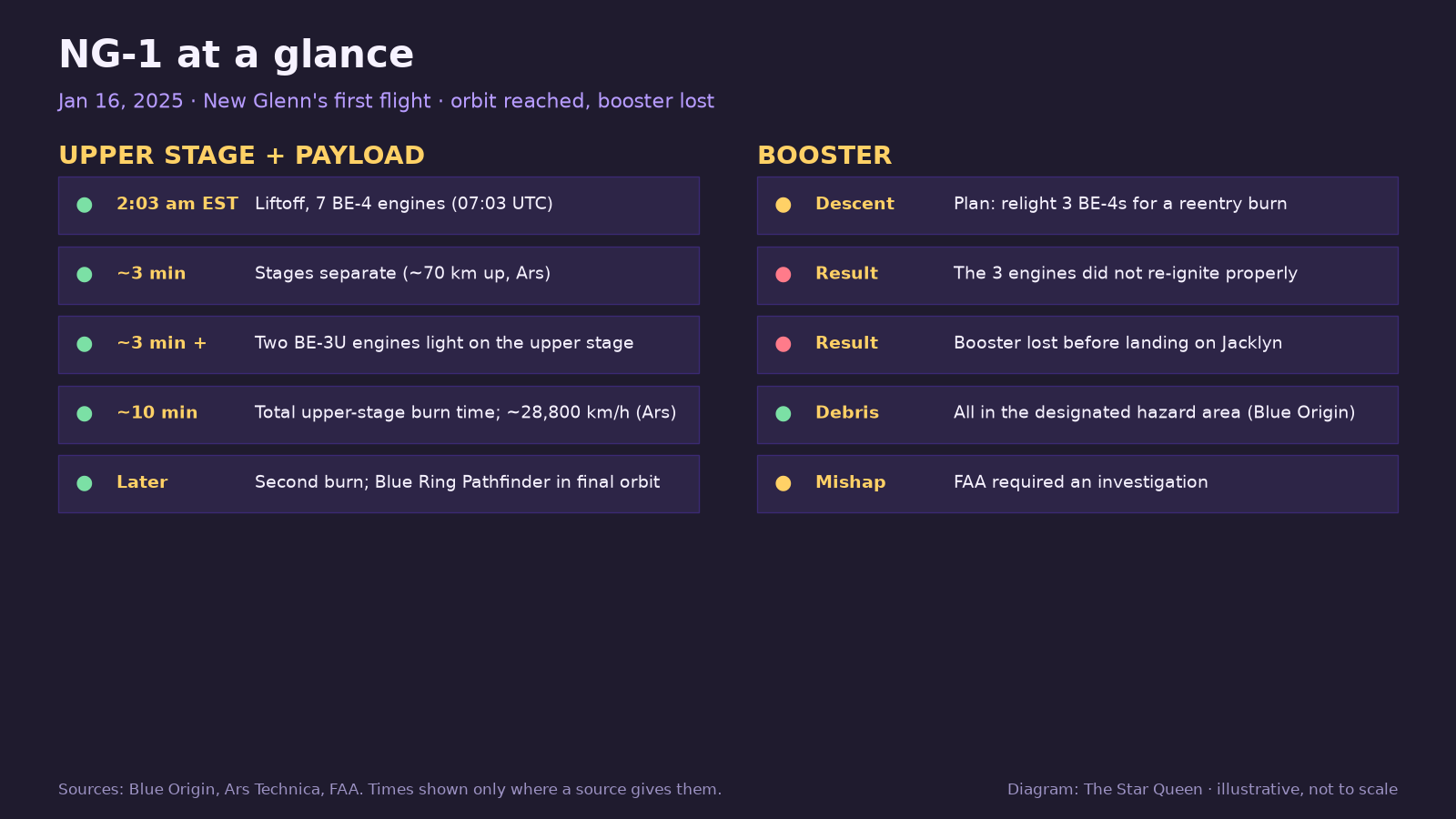
- When: Thursday, January 16, 2025, liftoff at 2:03 am EST (07:03 UTC), a little over an hour into a 1 am to 4 am EST window.
- Where: Launch Complex 36 (LC-36), Cape Canaveral Space Force Station, Florida.
- Payload: Blue Ring Pathfinder, a prototype for the Defense Innovation Unit’s orbital logistics work. It also counted as the first certification flight toward national security launch approval.
- Upper stage: Reached orbit after two burns of its BE-3U engines. Blue Origin said the pathfinder was “performing well.”
- Booster: Named “So You’re Telling Me There’s a Chance.” Blue Origin said the landing failed because of “three BE-4 engines not re-igniting properly.” The stage was lost.
- FAA: Required a mishap investigation, then closed it in March 2025 with seven corrective actions.
Terms to know ✨
- LC-36: Blue Origin’s launch pad at Cape Canaveral, a former Atlas launch complex that Blue Origin rebuilt for New Glenn.
- BE-4: the methane and liquid-oxygen engine on New Glenn’s first stage (seven of them). My BE-4 deep dive goes into the details.
- BE-3U: the hydrogen and liquid-oxygen engine on the upper stage (two of them), tuned for vacuum.
- GS1 and GS2: “Glenn Stage 1” (the booster) and “Glenn Stage 2” (the upper stage).
- Mishap: the FAA’s word for certain unplanned events during a licensed launch. It does not automatically mean a crash.
- Proximate cause: the FAA’s term for the immediate trigger of a mishap, as opposed to the deeper reasons behind it.
- Reentry burn: an engine firing that slows a falling booster before it hits the thick air, so it survives and can steer to its landing ship.
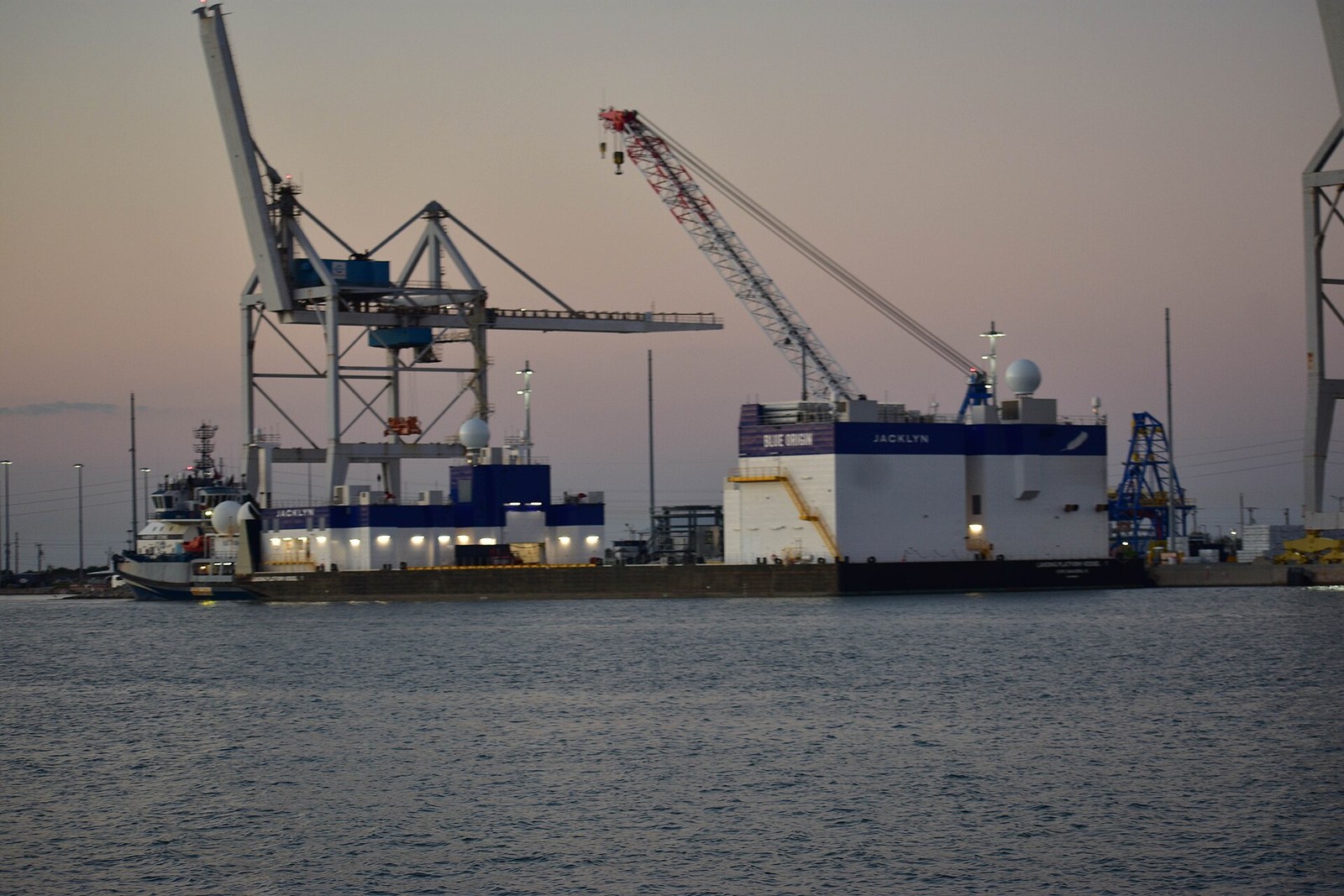
- Jacklyn: Blue Origin’s landing ship (a platform vessel), named for Jeff Bezos’s mother.
NG-1 at a glance
| Item | Details |
|---|---|
| Date and time | January 16, 2025, 2:03 am EST (07:03 UTC) |
| Launch site | LC-36, Cape Canaveral Space Force Station |
| Vehicle | New Glenn, 7 BE-4 engines on the first stage, 2 BE-3U on the second |
| Payload | Blue Ring Pathfinder |
| Goal | Reach orbit; attempt to land the booster on the ship Jacklyn |
| Orbit result | Reached orbit (Blue Origin: two successful BE-3U burns) |
| Booster result | Reentry burn did not happen; stage lost |
| FAA | Mishap investigation required; closed March 28, 2025 (announced March 31) |
The Road to NG-1: A Lot of Waiting
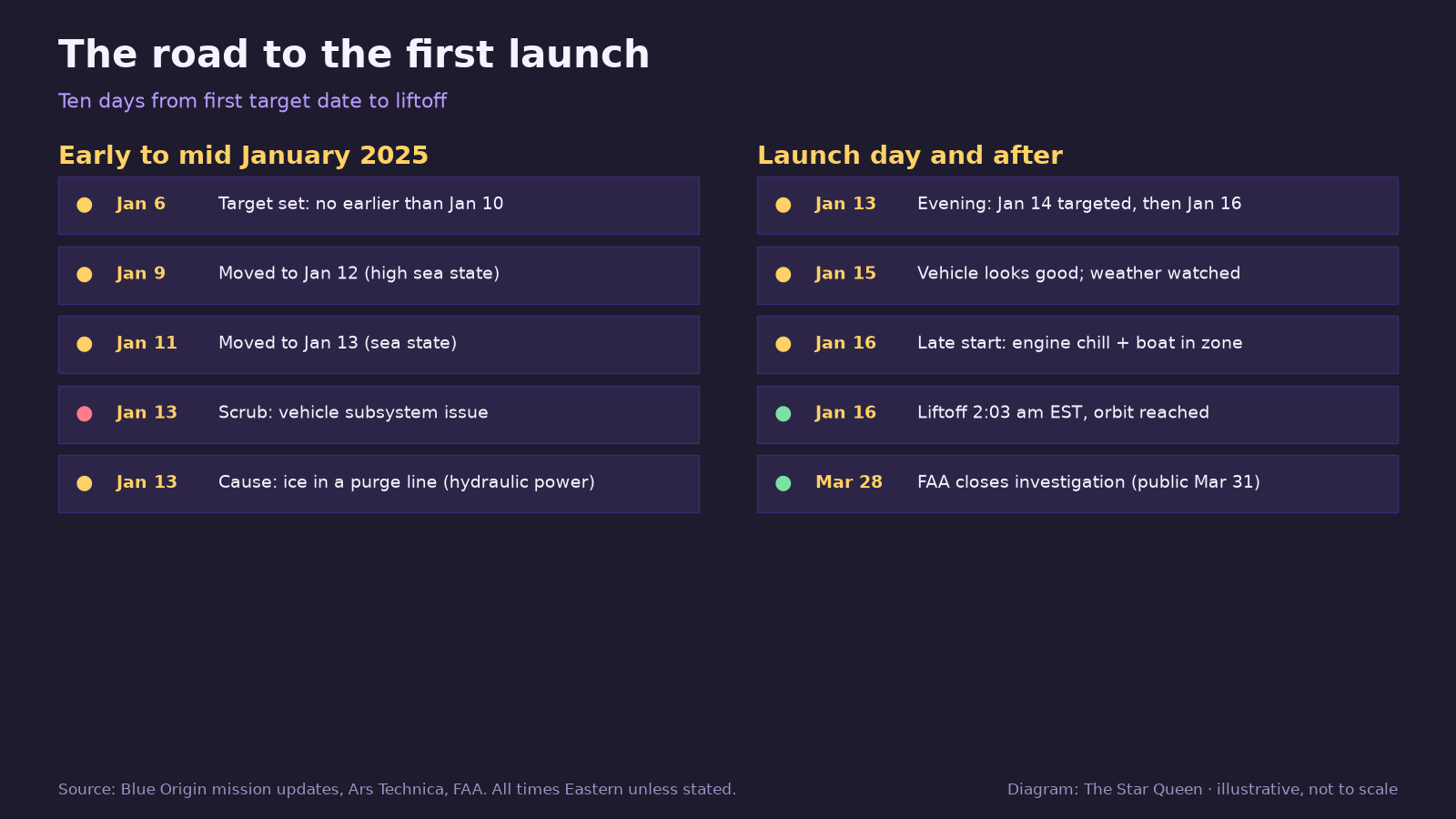
The first attempt was a long walk, and the calendar did not cooperate. These dates come from Blue Origin’s mission updates and Ars Technica.
| Date | What happened |
|---|---|
| Jan 6 | Target date set: no earlier than Jan 10. |
| Jan 9 | Moved to Jan 12 because of sea conditions for the landing ship. |
| Jan 11 | Moved again, to Jan 13. |
| Jan 13 | Scrub at about 3:09 am EST for a vehicle subsystem issue, later described as ice in a purge line on an auxiliary power unit for hydraulic systems. |
| Jan 13 (evening) | 6:50 pm: next try no earlier than Jan 14, with a poor weather forecast. 9:07 pm: moved to no earlier than Jan 16. |
| Jan 15 | Vehicle “looks good” for the window; clouds building. Jan 17 held as a backup. |
| Jan 16 | Liftoff at 2:03 am EST, after delays for an engine-chill issue and a boat in the keep-out zone. |
What Went Right: Orbit on the First Try
Blue Origin’s own summary is simple: the first stage burned for a bit over three minutes, stages separated, and the BE-3U engines ran the upper stage the rest of the way. Ars Technica reported the upper stage burned for very nearly ten minutes and reached about 28,800 kilometers per hour. Blue Origin said the second stage finished “two successful burns” and left Blue Ring Pathfinder in its final orbit.
Ars Technica also pointed out how unusual that is. SpaceX needed 19 launches before it landed an orbital booster, and plenty of new rockets don’t reach orbit at all on flight one. I’d call getting there “excellent,” because the whole rocket had to work for several minutes, with a brand new engine design, from a brand new pad.
What Went Wrong: The Booster
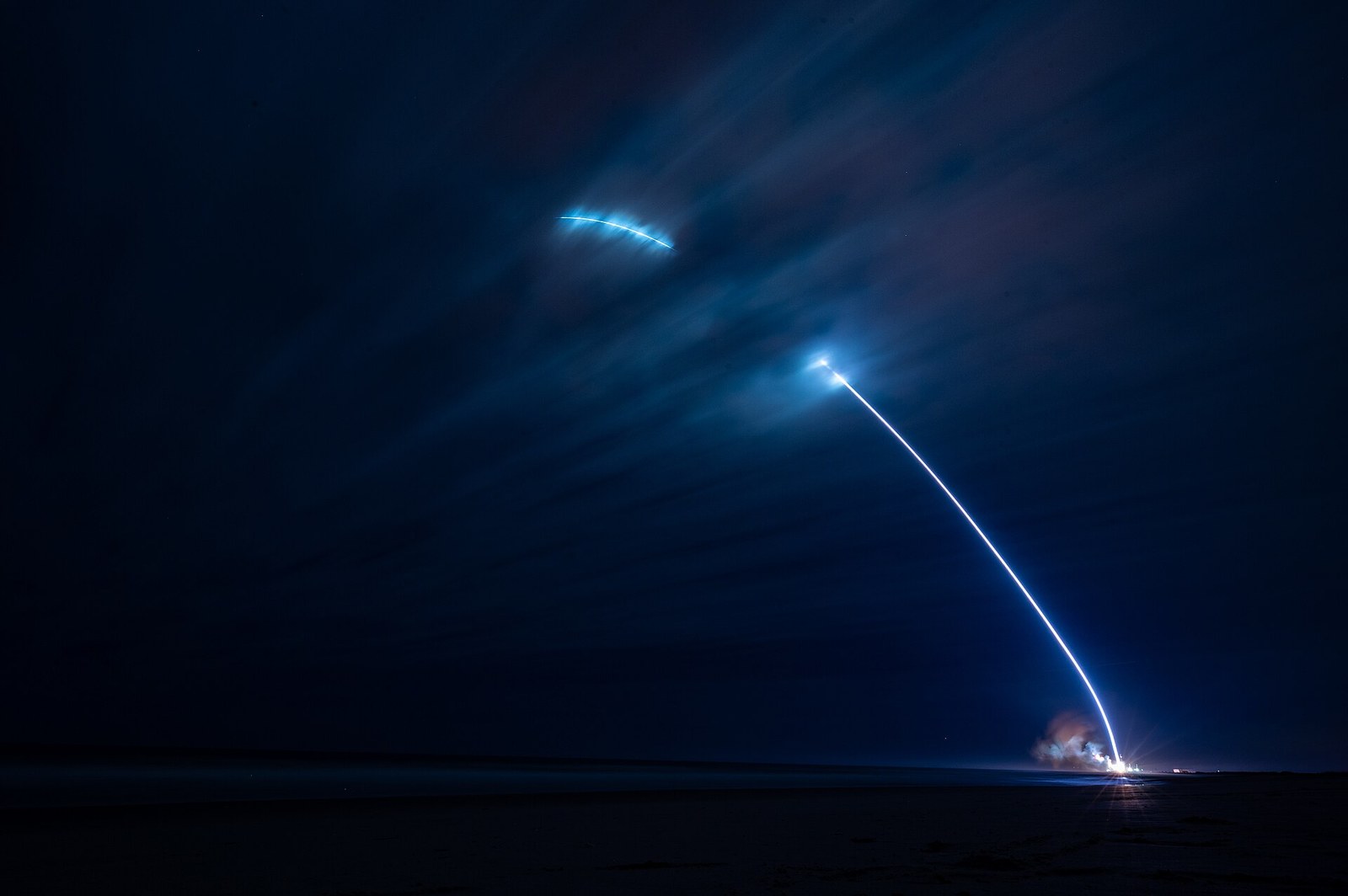
The landing plan asked the booster to relight three of its BE-4s on the way down for a reentry burn, then steer toward Jacklyn, waiting in the Atlantic. Blue Origin reported that the booster landing was unsuccessful because of “three BE-4 engines not re-igniting properly.” Without that burn, the stage was lost. The company said the debris fell inside the designated hazard area.
Ars Technica noted something a lot of us thought while watching: the vehicle seemed to rise slowly off the pad. Ars estimated that was a thrust-to-weight ratio near 1.0 to 1.2, which is an Ars interpretation and not a Blue Origin statement. I don’t see anything in the FAA wording linking that to the booster loss.
The Engineering, In Plain Language
Why do engines need to relight at all?
Think of a booster as an enormous empty can falling back toward the ocean. A rocket engine is the only brake it has. The reentry burn slows the booster before the air thickens, and a second burn near the end slows it for touchdown. If an engine doesn’t restart, the can keeps falling.
Why is restarting harder than the first start?
Methane and liquid oxygen are cryogenic, meaning very cold liquids. Before a start, the engine and its plumbing have to be at the right temperature and pressure, with propellant flowing in a controlled way. Engines “bleed” a bit of propellant through to keep things chilled. After a coast through space, the booster has been through very different conditions than it had on the pad. Blue Origin’s later write-ups name “propellant management and engine bleed control improvements,” which sounds like this area. They haven’t published details, so that’s my plain-language reading, not a diagnosis.
Why does the ship matter?
Landing on a moving ship is the New Glenn design, so the rocket’s reuse plan depends on it. Jacklyn is the ship that serves as the landing platform. Here it is at Port Canaveral about six weeks after NG-1:
What the FAA Said
On January 16, 2025, the FAA said it was “requiring Blue Origin to perform a mishap investigation.” The FAA closed it on March 28, 2025, and published the closure on March 31. Its statement said the final report “identified the proximate cause of the mishap as an inability of New Glenn’s first stage to restart the engines, preventing a reentry burn from occurring, and resulting in the loss of the stage.” Blue Origin identified seven corrective actions, and the FAA said it would verify they were implemented before the New Glenn-2 mission.
In plain English: the FAA looks at what directly caused the mishap, not every contributing factor. Blue Origin’s own post said its seven corrective actions focus on propellant management and engine bleed control. The full report isn’t public. Also worth knowing: the FAA had issued the license for this launch on December 27, 2024, a five-year Part 450 license that covered a reusable first stage landing in the Atlantic Ocean.
Then and Now
What NG-1 changed: It proved the rocket could reach orbit. The booster fix took a while. New Glenn NG-2 flew in November 2025, and that booster landed. Then NG-3 flew it again, with a different problem on the upper stage. For the rocket’s bigger design plans, see New Glenn 7×2 vs 9×4.
The Star Queen’s Take 👑
I love an honest first flight. Orbit on the first try is what the spreadsheet calls “mission success” and what my heart calls “wow,” and losing the booster is exactly what you’d expect when you attempt both a debut orbit and a new type of landing. What I’m watching in hindsight is the pattern: a different problem each time, each one fixed, and the fix seen on the next flight.
I’ll also say, gently, that the schedule roller coaster should make us skeptical of any single launch date, from any company.
Watch
Blue Origin’s replay of the NG-1 webcast.
If the video doesn’t load, watch it here: Blue Origin on YouTube.
Keep Reading
Next: New Glenn NG-2 Explained. Also: BE-4 deep dive, Liquid methane explained, and the LC-36 explosion and rebuild.
Sources
- Blue Origin, NG-1 mission update: https://www.blueorigin.com/news/new-glenn-ng-1-mission
- FAA statements (Jan 16, 2025, and March 31, 2025 closure): https://www.faa.gov/newsroom/statements/general-statements
- FAA, Compliance, Enforcement & Mishap: https://www.faa.gov/space/compliance_enforcement_mishap
- Ars Technica, “Blue Origin reaches orbit on first flight of its titanic New Glenn rocket”: https://arstechnica.com/space/2025/01/blue-origin-reaches-orbit-on-first-flight-of-its-titanic-new-glenn-rocket/
- SpaceNews, “Investigation into failed New Glenn landing completed”: https://spacenews.com/investigation-into-failed-new-glenn-landing-completed/
- Via Satellite, “FAA closes mishap investigations for New Glenn and Starship January flights”: https://www.satellitetoday.com/launch/2025/03/31/faa-closes-mishap-investigations-for-new-glenn-and-starship-january-flights/
- Images (Wikimedia Commons; U.S. Space Force photos by Senior Airman Samuel Becker, public domain; the Jacklyn photo is CC0 by JER3L1337; diagrams by The Star Queen): https://commons.wikimedia.org/wiki/File:New_Glenn_launch_signals_new_era_for_Space_Launch_Complex_36_(8832113).jpg, https://commons.wikimedia.org/wiki/File:New_Glenn_launch_signals_new_era_for_Space_Launch_Complex_36_(8832112).jpg, https://commons.wikimedia.org/wiki/File:Landing_Platform_Vessel_1_%22Jacklyn%22_At_Port_Canaveral.jpg
